
Hobbies and Leisure

Top Creative Hobbies to Enhance Your Leisure Time

Understanding Hobbies and Leisure Activities

Hobbies and leisure activities play a vital role in enriching our lives, providing a necessary counterbalance to the demands of work and daily responsibilities. Understanding what constitutes a hobby and the importance it holds can be the first step towards discovering joy and satisfaction in our free time.

Definition and Importance of Hobbies

A hobby is generally defined as a regular activity done for enjoyment, typically during one’s leisure time. Unlike a job or professional work, hobbies are pursued voluntarily and often serve as a source of relaxation and personal satisfaction. Engaging in hobbies can significantly enhance our quality of life.

According to a study published in the journal “Psychology of Leisure,” individuals who regularly engage in hobbies experience lower levels of stress, improved mood, and enhanced overall mental health. Hobbies allow individuals to express creativity, develop new skills, or simply escape from the daily grind. The importance of hobbies can be summarized as follows:

  • Stress Relief: Hobbies can serve as a distraction, providing a mental break from everyday challenges.
  • Skill Development: Many hobbies encourage the acquisition of new skills that can be beneficial personally or professionally.
  • Social Connections: Hobbies often lead to opportunities for socializing, fostering friendships and community engagement.

Types of Leisure Activities

Leisure activities can be categorized into various types, each catering to different interests and preferences. Here are some prevalent categories:

  • Creative Hobbies: Activities such as painting, writing, or crafting that allow for personal expression.
  • Physical Activities: Sports, hiking, or yoga that promote physical health and well-being.
  • Intellectual Pursuits: Reading, puzzles, or learning new languages that stimulate the mind.
  • Social Hobbies: Group activities like team sports, book clubs, or community service that foster social connections.
  • Collecting: Hobbies centered around collecting items such as stamps, coins, or antiques.

Benefits of Engaging in Hobbies

Engaging in hobbies offers numerous benefits that extend beyond mere enjoyment. Research indicates that individuals who actively participate in hobbies experience:

  • Enhanced Creativity: Hobbies encourage creative thinking and problem-solving abilities.
  • Increased Happiness: A study by the American Journal of Lifestyle Medicine found that individuals who dedicate time to hobbies report higher levels of life satisfaction.
  • Improved Physical Health: Many hobbies, especially those involving physical activity, contribute to better cardiovascular health and increased longevity.
  • Stronger Social Bonds: Participating in group activities fosters friendships and community ties, enhancing social support networks.

Identifying Your Interests and Passions

Identifying your interests and passions is crucial in selecting a hobby that you will genuinely enjoy. Self-assessment can help you pinpoint activities that resonate with you and align with your personal values.

Self-Assessment Techniques for Hobbies

To begin your journey of self-discovery, consider the following self-assessment techniques:

  • Reflective Journaling: Spend some time writing about your past experiences, interests, and what activities make you feel fulfilled. Identify themes or patterns in your writing.
  • Personality Assessments: Utilize tools like the Myers-Briggs Type Indicator or the Holland Code to gain insight into your personality traits and potential hobbies that align with them.
  • Interest Inventories: Complete an interest inventory questionnaire that can help identify your preferences and suggest related hobbies.

Exploring New Interests: Tools and Resources

Once you have a better understanding of your interests, the next step is to explore new hobbies. Here are some resources to guide your exploration:

  • Online Courses: Websites like Coursera, Udemy, and Skillshare offer a plethora of courses in various hobbies, from photography to coding.
  • Community Centers: Local community centers often host workshops and classes where you can try out new activities and meet like-minded individuals.
  • Social Media: Platforms like Pinterest and Instagram provide a visual exploration of hobbies, allowing you to discover trends and connect with hobby enthusiasts.

How to Choose the Right Hobby for You

Choosing the right hobby involves considering your interests, available time, and resources. Follow these practical steps:

  1. Make a List: Write down activities you’ve always wanted to try or interests you wish to explore.
  2. Consider Your Schedule: Assess how much time you can realistically dedicate to a new hobby each week.
  3. Start Small: Choose a hobby that requires minimal initial investment in terms of money and time, allowing you to ease into it.
  4. Seek Recommendations: Talk to friends or family about their hobbies, and see if any resonate with you.
  5. Test and Evaluate: Try out different hobbies for a short period and evaluate your enjoyment and engagement level before committing long-term.

Getting Started with Your Chosen Hobby

Once you’ve selected a hobby, it’s time to take the plunge and start your journey. Whether you’re knitting, gardening, or learning to play an instrument, getting started can feel daunting. Here’s how to ease into your new endeavor.

Essential Supplies and Equipment for Beginners

Depending on the hobby you’ve chosen, the supplies needed can range from minimal to extensive. Here’s how to ensure you’re adequately equipped:

  • Research Requirements: Investigate what basic supplies you’ll need. For example, if you’re taking up painting, you may require brushes, paint, and canvases.
  • Start with Essentials: Begin with the most essential tools to avoid overwhelming yourself. Upgrading equipment can come later as you grow into the hobby.
  • Budgeting: Set a budget for your initial purchases, keeping in mind that many hobbies have low-cost entry points.

Finding Local Clubs and Online Communities

Joining clubs or communities can enhance your hobby experience. Here’s how to find the right fit:

  • Local Clubs: Search for local hobby clubs through community centers, libraries, or online platforms like Meetup.com.
  • Online Forums: Websites such as Reddit and specialized forums can be valuable resources for finding communities of people with similar interests.
  • Social Media Groups: Platforms like Facebook often host groups dedicated to specific hobbies, providing a space for sharing tips and experiences.

Setting Realistic Goals and Expectations

Setting realistic goals is essential for maintaining motivation and enjoyment in your hobby. Here’s how to do it effectively:

  • Define Objectives: Outline what you hope to achieve with your hobby, whether it’s mastering a technique, completing a project, or simply having fun.
  • Break Down Goals: Divide larger goals into smaller, manageable tasks to avoid feeling overwhelmed.
  • Celebrate Progress: Acknowledge your accomplishments along the way, no matter how small, to keep your motivation high.

Intermediate Skills and Techniques for Hobbies

As you become more comfortable with your chosen hobby, it’s time to explore intermediate skills and techniques that can deepen your expertise and enjoyment.

Improving Your Skills: Advanced Techniques

Once you’ve grasped the basics, consider incorporating advanced techniques to enhance your skills:

  • Online Tutorials: Many platforms offer advanced tutorials that can guide you through complex techniques.
  • Workshops and Classes: Enroll in workshops to learn directly from experienced instructors who can provide personalized feedback.
  • Practice Regularly: Allocate time for practice, as consistent engagement is key to improvement.

Time Management Strategies for Hobby Enthusiasts

As hobbies can sometimes compete with other responsibilities, effective time management is crucial. Here are some strategies:

  • Prioritize Your Hobby: Treat your hobby as a priority by scheduling it into your weekly calendar.
  • Set Time Limits: Allocate specific time blocks for your hobby to prevent it from encroaching on other responsibilities.
  • Combine Activities: If possible, incorporate your hobby into social gatherings or family activities to maximize enjoyment and connection.

Networking and Collaborating with Other Hobbyists

Connecting with others who share your hobby can provide valuable insights and inspiration. Here’s how to network:

  • Attend Events: Participate in local events, fairs, or exhibitions related to your hobby to meet others.
  • Collaborative Projects: Consider collaborating on projects with fellow enthusiasts to learn from each other and share ideas.
  • Online Networking: Utilize social media platforms to connect with hobbyists worldwide, sharing experiences and tips.

Turning Hobbies into a Sustainable Lifestyle

For many, hobbies can evolve into a more significant part of life, sometimes even leading to income-generating opportunities. Here’s how to transition your hobby into a sustainable lifestyle.

Monetizing Your Hobby: Steps to Consider

If you’re considering turning your hobby into a source of income, follow these steps:

  • Market Research: Investigate whether there’s a market for your hobby-related skills or products. Understand your audience and their needs.
  • Create a Business Plan: Outline how you plan to monetize your hobby, including potential costs, pricing strategies, and revenue goals.
  • Start Small: Consider starting as a side hustle, allowing you to test the waters without significant financial risk.
  • Utilize Platforms: Leverage online marketplaces like Etsy for crafts, or Patreon for creative content to reach a broader audience.

Creating Content Around Your Hobbies

Sharing your hobby with others can be rewarding and fulfilling. Here’s how to create content:

  • Blogging: Start a blog to document your journey, share tips, and connect with a community of like-minded individuals.
  • Social Media Presence: Use platforms like Instagram or YouTube to showcase your work and engage with your audience.
  • Online Courses: If you become proficient in your hobby, consider creating online courses to teach others.

Balancing Hobbies with Other Life Responsibilities

Finding a balance between your hobbies and other life responsibilities is essential for maintaining overall well-being. Here are some tips:

  • Set Boundaries: Clearly define when you will engage in your hobby to prevent it from interfering with work or family time.
  • Communicate: Keep your family informed about your hobby commitments, ensuring they understand its importance to you.
  • Be Flexible: Be willing to adjust your hobby schedule as necessary to accommodate other responsibilities while still carving out time for yourself.
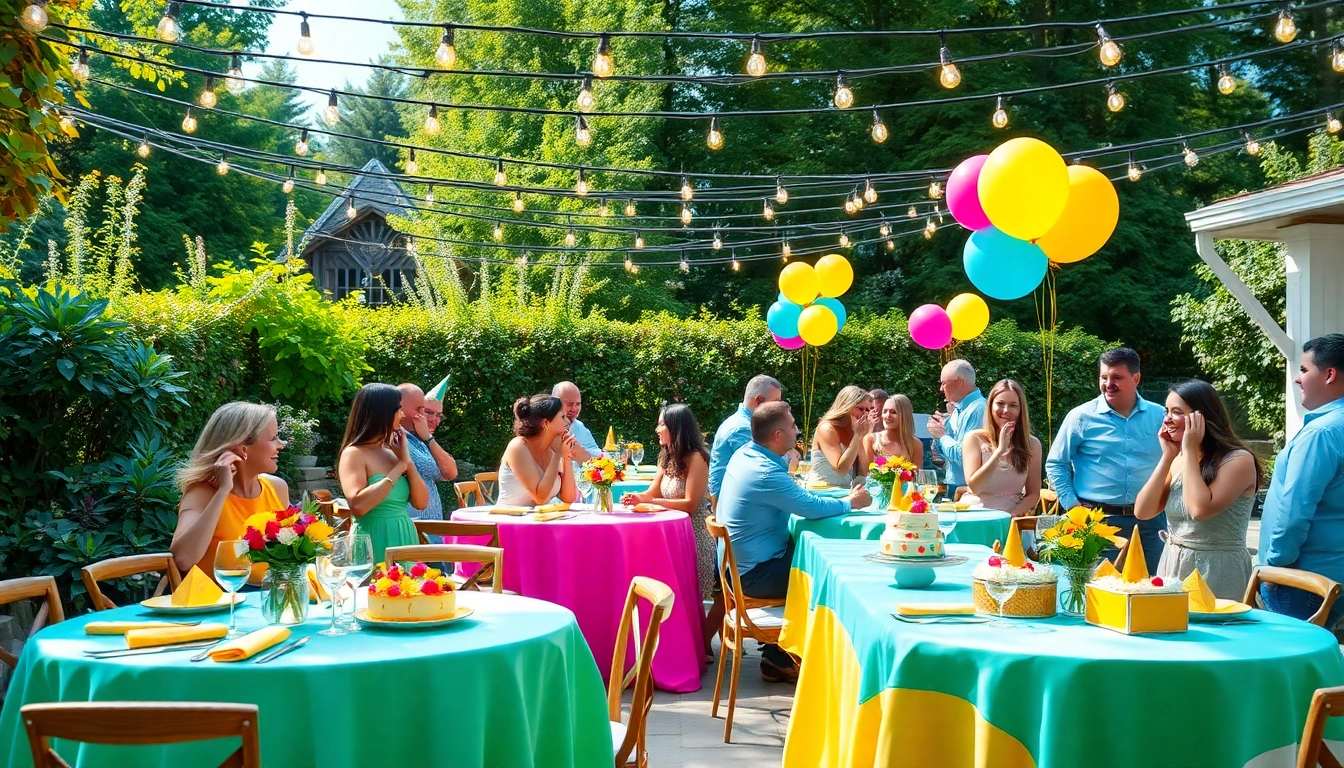
Outdoor Party Rentals with joyful guests celebrating under fairy lights in a lush garden setting.

Make Your Event Unforgettable with Compelling Outdoor Party Rentals

Understanding Outdoor Party Rentals

What are Outdoor Party Rentals?

Outdoor party rentals encompass a variety of equipment and services designed to facilitate and enhance gatherings held outside. This includes essential items such as tents, tables, chairs, and decorative elements tailored to your event’s theme. Renting items allows hosts to manage costs effectively while providing a comfortable and aesthetically pleasing environment. By utilizing Outdoor Party Rentals, you can elevate your celebration without the burden of purchasing and storing items post-event.

Benefits of Using Outdoor Party Rentals

The advantages of outdoor party rentals extend beyond mere convenience. Here are some of the key benefits:

  • Cost-Effectiveness: Renting allows you to access high-quality items without the hefty investment of ownership.
  • Variety: Rental companies typically offer a vast selection, enabling you to choose items that best fit your theme.
  • Convenience: Professionals typically handle delivery, setup, and pickup, allowing you to focus on enjoying your event.
  • Flexibility: Rentals can often be customized in terms of quantity and style to suit your specific needs.
  • Quality Assurance: Most rental companies maintain their inventory, ensuring the items are clean and in good repair.

Common Types of Outdoor Party Rentals

Several types of rental items are commonly used for outdoor events. Familiarizing yourself with these can aid in planning your party:

  • Tents: Essential for shade and weather protection, varying sizes accommodate different guest counts.
  • Tables and Chairs: Selecting the right seating arrangement can improve comfort and accessibility.
  • Linens and Tableware: These items enhance the overall appearance, making your setup feel more polished.
  • Lighting: Outdoor lighting can create a magical ambiance as the sun sets.
  • Heating and Cooling Equipment: Keep your guests comfortable regardless of the season with heaters or fans.

Choosing the Right Rentals for Your Event

Factors to Consider When Renting

When it comes to selecting the right rental items for your event, you must take several critical factors into account:

  • Guest Count: Knowing the number of attendees helps determine how much equipment you need.
  • Event Location: The space you choose dictates available options and suitability.
  • Budget: Set a budget to guide your rental choices and avoid overspending.
  • Event Theme: Your theme can influence colors, styles, and types of rentals.
  • Duration: Consider the time frame for rental duration, impacting availability and pricing.

Popular Rental Items for Outdoor Parties

Here’s a closer look at some of the most popular items customers tend to rent for outdoor events:

  • Tents: From canopies to large frame tents, these provide shelter for guests.
  • Tables: Round and rectangular options encourage social interaction and meal setup.
  • Chairs: Variety in seating styles allows hosts to align with their theme.
  • Buffet Equipment: Essential for serving food outdoors, ensuring easy access for guests.
  • Decorations: Items like centerpieces or signage to enhance your event’s aesthetics.

How Many Rentals Do You Need?

Determining the number of rentals depends on several factors, including guest count and event style. A good rule of thumb is to provide one chair per attendee and enough tables to accommodate food and drinks. Always account for comfort by providing additional space for movement or mingling.

Setting Up Your Outdoor Party

Tips for a Successful Outdoor Setup

Successful outdoor setups hinge on careful planning and execution. Here are several tips to ensure your venue is primed for fun:

  • Plan for Flow: Consider how guests will move through the space, ensuring easy access to food, drinks, and seating.
  • Use Zones: Create distinct areas (e.g., dining, lounging, dancing) to keep party activities organized.
  • Consider Accessibility: Ensure pathways are clear and accessible for all guests, including those with mobility challenges.
  • Test Layout: If possible, visualize or set up a mock layout to refine your vision before the day of the event.

Rental Arrangement Ideas for Optimal Flow

Proper arrangement of rental items can enhance the flow and overall experience of your outdoor party.

  • Cluster Seating: Instead of traditional rows, cluster seating areas for more intimate conversations.
  • Arrange Tables for Ease: Ensure tables are spaced sufficiently apart to facilitate movement without overcrowding.
  • Centralize Food and Drink: Position food and drink stations centrally, promoting socialization around them.

Inclement Weather Contingency Plans

Even with the best plans, weather can be unpredictable. Here are a few strategies to keep your outdoor event running smoothly:

  • Have a Backup Tent: Rent a tent in advance in case of rain or too much sun.
  • Indoor Alternatives: Ensure you have an alternative indoor location ready for use should severe weather strike.
  • Communicate with Guests: Keep guests informed about weather changes or adjustments in plans to avoid confusion.

Creating the Perfect Atmosphere

Incorporating Themes with Your Rentals

Integrating a cohesive theme through your rentals can enhance the overall experience of your outdoor party. Whether it’s a rustic chic, beach party, or carnival, choose decor and equipment that reflects your preferred style. For example, wooden tables complement a rustic theme, while bright colors suit a tropical setting.

Lighting and Decor Ideas for Rentals

Effective lighting transforms outdoor spaces! Here are some ideas:

  • String Lights: Add warmth and charm with twinkling string lights overhead.
  • Lanterns: Place decorative lanterns on tables or pathways for an enchanting effect.
  • Colored Uplights: Uplights can create dramatic effects, enhancing the ambiance during evening gatherings.

Enhancing Ambiance with Rentals

A well-curated selection of rentals goes beyond functional needs, significantly boosting the ambiance of your event:

  • Natural Elements: Incorporate natural decor items like flowers or greenery to create an inviting environment.
  • Themed Centerpieces: Use themed centerpieces on tables to elevate the overall aesthetic.
  • Comfort Items: Furnish soft cushions or throws to enhance comfort and relaxation for guests.

Maintaining Rental Equipment

Care Tips for Rental Items

Proper care of rental equipment not only ensures your guests have a great experience but also protects your rental deposit:

  • Clean up spills immediately: Attend to accidents promptly to avoid long-term damage.
  • Avoid Overloading: Be cautious not to exceed the recommended weight limits on tables and tents.
  • Keep Items Organized: Arrange hired items neatly to prevent mix-ups or damage.

Returning Rentals: What You Need to Know

Understanding the process for returning rentals can help ensure a smooth conclusion to your rental experience:

  • Check Policies: Familiarize yourself with rental company policies regarding returns and damages.
  • Pack Items Carefully: Return items in the condition you received them to avoid extra charges.
  • Document Condition: Take photos of items upon return for your own records.

Common Issues and How to Address Them

While planning your outdoor event, be prepared for potential challenges:

  • Weather Problems: Always have contingency plans in place for unexpected weather conditions.
  • Item Availability: If a specific rental isn’t available, contact your rental service early to identify alternatives.
  • Setup Issues: Involve experienced help if needed during setup to ensure everything runs smoothly.

FAQs

1. What items are typically included in Outdoor Party Rentals? A: Common items include tents, tables, chairs, and decor.

2. How far in advance should I book Outdoor Party Rentals? A: It’s best to book at least 4-6 weeks ahead of your event.

3. Can I customize my Outdoor Party Rentals? A: Yes! Many companies offer customization options for decor and furniture.

4. What should I do in case of bad weather? A: Always have a backup plan, such as renting a tent or using an indoor location.

5. What are the typical costs associated with Outdoor Party Rentals? A: Costs can vary widely based on items and duration; it’s best to request quotes.

Guide to Outdoor Party Rentals for Unforgettable Celebrations

Understanding Outdoor Party Rentals

What Are Outdoor Party Rentals?

Outdoor Party Rentals cover an extensive range of equipment and amenities you might need for an unforgettable outdoor gathering, from weddings and birthdays to corporate retreats and family reunions. These rentals typically include tents, tables, chairs, lighting, and even heating options to ensure comfort regardless of the weather. They can transform your backyard, park, or spacious venue into a dynamic setting tailored to your specific celebration needs. Whether it’s a small gathering or a large event, the right Outdoor Party Rentals can enhance the guest experience and facilitate a seamless flow of activities.

Types of Outdoor Party Rentals Available

Outdoor Party Rentals encompass various categories, each serving distinct functions to enhance the enjoyment of your event:

  • Tents: Essential for providing shelter from sun or rain. Tent styles range from pole tents to frame tents and can vary in size.
  • Seating and Tables: Options like banquet tables, cocktail tables, and various chair styles, allowing you to select the most appropriate seating arrangement for your event.
  • Linens and Decor: Tablecloths, napkins, and centerpieces can transform any setup into a beautifully curated environment.
  • Lighting: String lights, lanterns, and uplighting create an ambiance that complements your event’s theme.
  • Heating and Cooling: Depending on the season, consider renting heaters or fans to maintain comfort.
  • Audio-Visual Equipment: Microphones, speakers, and projectors facilitate speeches, entertainment, and presentations.
  • Games and Entertainment: From inflatable bounce houses to outdoor games, these extras can keep guests entertained.

Benefits of Choosing Outdoor Party Rentals

Choosing Outdoor Party Rentals offers a myriad of advantages:

  • Flexibility: You can host your event in various outdoor locations, customizing your setting to fit the atmosphere you desire.
  • Cost-Effective: Rather than investing in permanent facilities, renting equipment allows for a lower upfront cost with access to high-quality amenities.
  • Convenience: Many rental services provide delivery, setup, and takedown, significantly reducing the workload on your shoulders.
  • Customizability: You have the freedom to tailor your rentals to suit themes, color palettes, and specific requirements.
  • Memorable Experiences: Outdoor settings paired with the right equipment can enhance the overall experience for you and your guests, creating lasting memories.

Planning Your Outdoor Event

Factors to Consider When Renting Equipment

Planning an outdoor event requires careful consideration of various factors to ensure success:

  • Guest Count: The number of attendees directly influences the amount and type of equipment you’ll need, impacting your rental choices.
  • Season and Weather: Evaluate the time of year and historical weather data for your location. Be prepared with tents, shade options, or heating.
  • Event Duration: Consider how long your event will last. This will determine setup times and how comfortable you need guests to be.
  • Accessibility: Ensure that your chosen rental equipment is accessible for all your guests, including those with mobility challenges.
  • Theme and Style: Align your rental choices with your event’s theme for a cohesive look and feel.

Choosing the Right Location for Your Party

The location of your outdoor party can greatly influence its success; here are critical points to consider:

  • Accessibility: Ensure that guests can easily reach the location and that there is adequate parking or transportation options.
  • Space: Choose a site that fits your needs. An open park may require more rentals, while a large backyard might offer natural beauty.
  • Permits and Regulations: Confirm if any permits are necessary for the location and check the regulations, particularly regarding noise and property usage.
  • Facilities: Access to restrooms, electricity, and water can enhance guest experiences and add convenience.
  • Aesthetic Appeal: Consider places with scenery that complements your event’s theme and enriches the visual experience.

How to Organize an Outdoor Layout

Once the venue is selected, it’s time to strategize the layout to ensure an engaging flow for your guests:

  • Entry Points: Designate clear entrances and exits to facilitate guest movement and create a welcoming atmosphere.
  • Area for Activities: Plan specific zones for different activities (e.g., dining, dancing, games) to manage the guest experience effectively.
  • Seating Arrangement: Use circular seating to encourage conversation or rows for presentations. Ensure visibility for all guests, especially during speeches.
  • Safety Considerations: Make sure walkways are clear and avoid placing equipment near water or steep areas to prevent accidents.
  • Decor Enhancements: Use decor to naturally guide guests through different sections, enhancing their journey throughout the event.

Selecting the Right Rental Company

What to Look for in a Rental Provider

Choosing an Outdoor Party Rentals provider is crucial to your event’s overall success. Here are key factors to consider:

  • Reputation: Assess the company’s reputation through online reviews and recommendations from friends or family.
  • Variety of Inventory: Ensure they offer a wide range of options to fit your specific needs and aesthetic preferences.
  • Experience: A seasoned rental company will have the necessary expertise in assisting with planning and execution.
  • Customer Service: Look for a provider that offers responsive, helpful customer service to address all your inquiries and needs.
  • Insurance: Confirm that the company has adequate liability insurance to cover any possible accidents during setup or at the event.

Questions to Ask Before Hiring

Before securing a rental company, consider asking these important questions:

  • What is the rental fee structure? Are there deposits or hidden charges?
  • What is the process for delivery and setup? Are there extra fees associated with this?
  • What are your cancellation policies, particularly regarding weather-related issues?
  • Can you accommodate specific requests or customize rental packages?
  • Do you have a backup plan for inclement weather?

Reading Reviews and Testimonials

Customer reviews can provide valuable insights into the quality of service and products of a rental company:

  • Aim for Variety: Look for a range of reviews, both positive and negative, to get a balanced perspective.
  • Timeframe of Reviews: Ensure that the reviews are recent to reflect the current standards of service and inventory.
  • Specifics Matter: Focus on specific comments regarding reliability, customer service experience, and the quality of rented items.
  • Word of Mouth: Don’t underestimate the value of recommendations from friends and colleagues who have planned similar events.

Enhancing Your Outdoor Party Experience

The Importance of Decor and Theme

Creating a theme is one of the most fun aspects of planning an outdoor event. It sets the mood and allows for personal expression. Here are reasons why decor matters:

  • Visual Impact: Thoughtful decor adds color and enhances the visual appeal of your venue.
  • Guest Engagement: An engaging theme invites your guests to participate and enjoy the environment you carefully curated.
  • Brand Identity: For corporate events, decor can reflect your brand values and identity, enhancing corporate image.
  • Memorability: A unique theme can create exceptional experiences and memories for guests that linger long after the event.

Food and Beverage Considerations

Food and beverages play a pivotal role in any outdoor gathering, impacting your guests’ enjoyment:

  • Menu Planning: Consider dietary restrictions and preferences when planning your menu to ensure all guests are accommodated.
  • Presentation: The way you serve food (e.g., buffet, plated) can influence the flow and interaction among guests.
  • Optimal Timing: Schedule meal times that align with your event activities—serving food during a peak moment may disrupt engagement.
  • Beverage Choices: Offer a mix of alcoholic and non-alcoholic options, including water stations and signature cocktails that fit the theme.

Engaging Activities and Entertainment

To keep the energy lively and guests engaged, consider these activity options for your outdoor event:

  • Music: Hiring a live band, DJ, or even a playlist can allow for enjoyable background music that energizes the event.
  • Interactive Games: From lawn games to quizzes, interactive activities foster guest bonding and amusement.
  • Photo Opportunities: Create a designated photo area with props to encourage guests to capture memories of the day.
  • Live Performances: Consider hiring entertainers like magicians, caricature artists, or dancers to entertain and engage guests.

FAQs about Outdoor Party Rentals

What is included in Outdoor Party Rentals?

Typically, Outdoor Party Rentals include tents, tables, chairs, and decorative items. Check with specific providers for details.

How far in advance should I book my rentals?

It’s best to book your Outdoor Party Rentals at least 4-6 weeks before your event to ensure availability.

Can I customize my rental package?

Many rental companies allow customization to fit your needs, including color schemes, decor items, and equipment types.

What if the weather changes unexpectedly?

Most rental companies provide guidelines for weather-related issues, including cancellation policies or rain plans.

Are delivery and setup included in rental fees?

Delivery and setup are often included, but confirm with your rental provider for specific details and any additional costs.

Hands-on craft training programs with artisans actively creating artworks in a vibrant studio.

Enhancing Skills Through Diverse Craft Training Programs

Understanding Craft Training Programs

Definition and Importance

Craft training programs are structured courses designed to impart specific skills in various art and craft disciplines. They encompass a wide range of techniques, including woodworking, textile arts, pottery, and more. The importance of these programs cannot be overstated; they not only foster creativity and artistic expression but also enhance practical skills that can lead to personal fulfillment and career opportunities.

In today’s rapidly changing job landscape, acquiring specialized skills through craft training programs can provide an edge, enabling individuals to tap into niche markets and thrive in entrepreneurial endeavors.

Types of Craft Training Programs

Craft training programs can be categorized into various types based on the medium or technique. Here are some common classifications:

  • Hands-On Workshops: Short-term sessions focused on immersive and practical experiences.
  • Certification Courses: Structured programs culminating in a recognized credential or certificate.
  • Online Classes: Flexible learning options that allow participants to learn from home at their own pace.
  • Community Education Programs: Often provided through local institutions, these programs emphasize skill-building within the community.

Benefits of Participating in Craft Training

The benefits of engaging in craft training programs are multifaceted. Participants can experience a range of positive outcomes, such as:

  • Skill Development: Acquire new technical skills that can enhance personal projects or professional opportunities.
  • Networking Opportunities: Meet like-minded individuals who share a passion for crafts, potentially leading to collaborative projects and partnerships.
  • Therapeutic Benefits: The act of creating can reduce stress, improve mental health, and boost overall well-being.
  • Marketability: Gaining skills in crafting can directly translate to job opportunities in industries such as interior design, fashion, and handmade goods production.

Popular Craft Training Areas

Woodworking Techniques and Skills

Woodworking is a timeless craft that combines artistry with functionality. Craft training programs in woodworking typically cover essential techniques such as joinery, sanding, and finishing, enabling participants to create everything from basic furniture to intricate sculptures. To become proficient, learners engage in hands-on projects, which enhance their understanding of various tools and materials. For those considering starting a career in woodworking, mastering these skills can lead to opportunities in custom furniture making, cabinetry, or woodworking instruction.

Textile and Sewing Craft Programs

Textile arts encompass a wide range of techniques, including sewing, quilting, embroidery, and weaving. Craft training programs focusing on textiles teach participants about fabric selection, pattern development, and sewing techniques. Some programs also delve into the historical and cultural significance of textile arts, providing richer context for learners. Whether interested in garment making or fabric art, skills gained in these courses can help participants express their unique aesthetic and potentially launch a small business.

Pottery and Ceramics Training

Pottery and ceramics are crafts that have captivated people for centuries. Training in these areas typically covers shaping clay, glazing, firing techniques, and surface decoration. Many programs allow participants to explore both functional ware and artistic sculptural forms. Aspiring potters find that crafting with clay not only develops their artistic skills but also their understanding of materials science, as the interplay between clay composition and firing processes is crucial to successful outcomes.

How to Choose the Right Craft Training Program

Evaluating Program Quality and Reputation

When selecting a craft training program, it’s vital to assess the quality and reputation of the offering. Researching reviews, alumni testimonials, and the history of the organization can provide insight into the effectiveness of the program. Additionally, consider programs that showcase student work or offer public exhibitions, as this demonstrates a commitment to fostering creativity and skill development in their participants.

Understanding Instructor Credentials

Knowing who will be teaching the program is crucial. Instructors with professional experience in their craft often bring invaluable insights and techniques to the table. Look for programs that highlight the backgrounds of their instructors, including their education, professional experiences, and personal achievements in the field. Engaging with knowledgeable instructors can greatly enhance the learning process and help students develop their creative voices.

Considering Location and Accessibility

Accessibility plays a significant role in choosing a craft training program. Whether it’s a local workshop or an online course, consider factors such as travel time, potential scheduling conflicts, and the availability of resources. For those preferring in-person instruction, selecting a program that is conveniently located can alleviate logistical concerns. Online programs, on the other hand, provide the flexibility to learn from anywhere, making them an attractive option for many learners.

Integrating Craft Training into Your Career

Combining Craft Skills with Entrepreneurship

The skills acquired through craft training programs can seamlessly translate into entrepreneurial opportunities. Creatives can leverage their craftsmanship to start businesses in diverse domains, including handmade goods, custom design services, and more. Understanding market demand and customer preferences can lead to successful venture ideas, such as selling one-of-a-kind items at craft fairs or establishing an online shop. By exploring both practical skill applications and business strategies, individuals can turn their creative passions into profitable ventures.

Networking Opportunities Through Craft Programs

Craft training programs often provide ample networking opportunities, enabling participants to connect with peers, instructors, and industry professionals. Engaging with fellow creatives can lead to future collaborations or mentorship opportunities. Additionally, being part of a community that values craftsmanship fosters support and encouragement, essential for continued growth in one’s chosen craft. Workshops and events can serve as platforms to showcase skills and gain recognition within the craft community.

Certification and Professional Growth

Obtaining a certification through a reputable craft training program can enhance professional credibility and open doors to career advancement. Credentials not only serve as proof of skill but also showcase a commitment to professional development. As industries evolve, continuous learning and skill enhancement become vital. Engaging in further specialized training can keep artisans and crafters competitive and knowledgeable about current trends and techniques.

FAQs about Craft Training Programs

What are craft training programs?

Craft training programs are structured courses designed to teach specific skills in various art and craft disciplines.

How long do craft training programs typically last?

The duration of craft training programs can range from a few weeks to several months, depending on the complexity of the craft.

Are there prerequisites for enrolling in craft training programs?

Many programs welcome beginners, but some may require prior experience or an introductory course.

Can I find online craft training programs?

Yes, numerous online platforms offer virtual craft training programs that allow flexible learning from home.

What is the cost of craft training programs?

Prices vary widely based on duration, materials provided, and instructor expertise, ranging from free workshops to several hundred dollars.