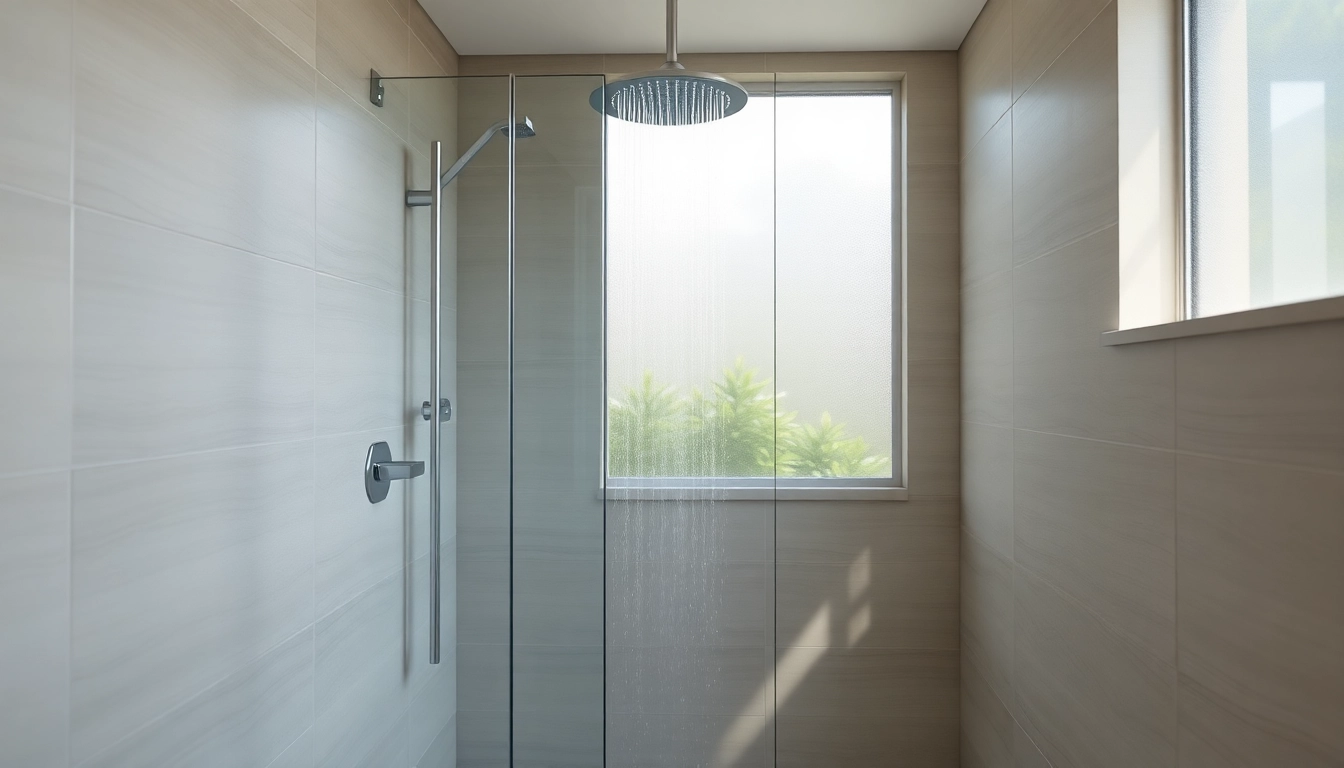
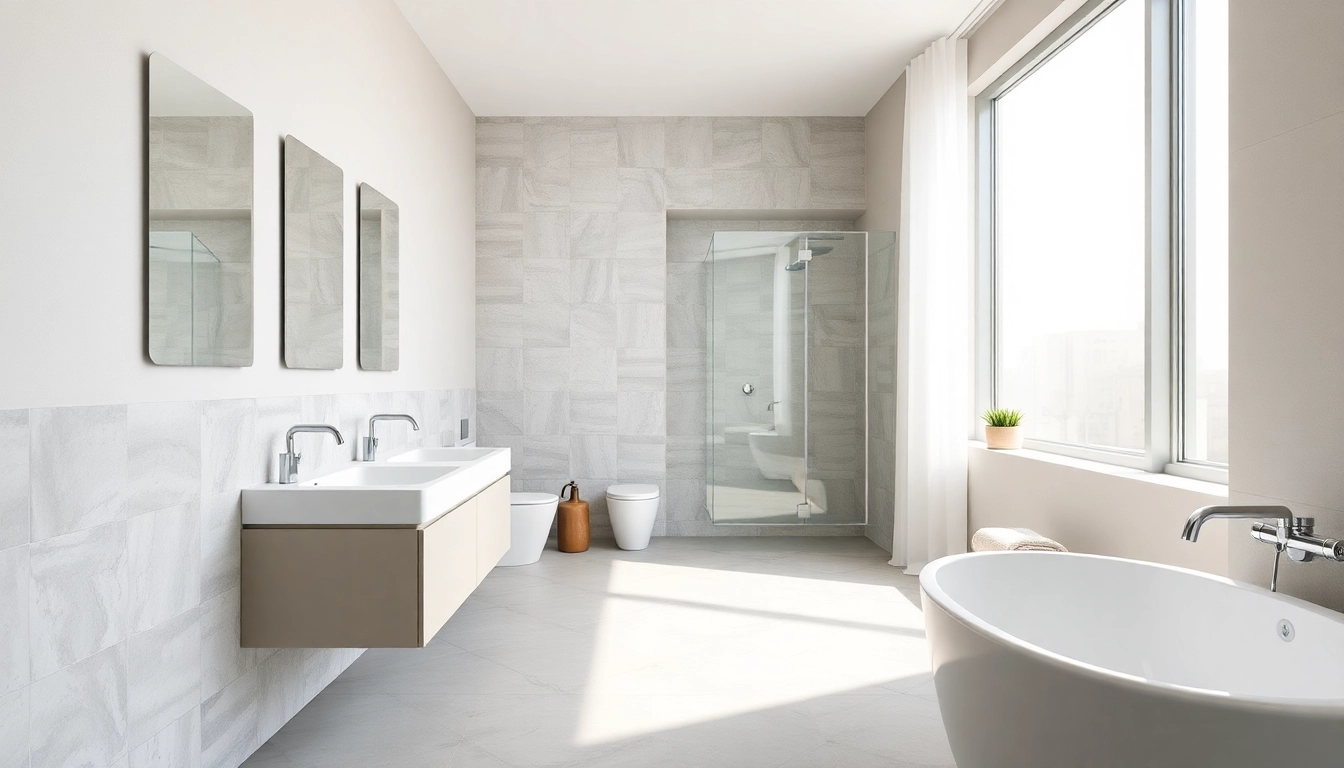
Transform your space with elegant showers Australia, featuring a stylish rainfall showerhead and serene ambiance.

Elevate Your Home with Elegant Showers Australia: Style and Functionality Harmonized

Understanding Elegant Showers Australia

What Defines Elegance in Showers?

When we talk about elegant showers Australia, we envision a seamless blend of sophistication and functionality. Elegance in showers transcends mere aesthetics; it encompasses design integrity, high-quality materials, and a user-centric approach. An elegant shower not only serves its primary function but also elevates the overall experience of the bathroom space. Features like sleek lines, balanced proportions, and carefully selected color palettes contribute to a sophisticated atmosphere, making the shower the focal point of luxury in your home.

The Importance of Shower Functionality

Functionality is a foundational aspect of any elegant shower. It should provide an optimal experience while balancing style and practicality. For instance, the shower should be easy to operate, with controls positioned for accessibility. A well-designed shower also considers water pressure, temperature stability, and drainage efficiency. When these functional aspects are well-crafted, they create a feeling of ease and refinement, ensuring that the shower experience enhances overall well-being.

Trends in Elegant Showers Australia

Current trends in stylish showers are shaped by both practical needs and aesthetic desires. One prominent trend includes the use of minimalist designs, where less is more—a concept that emphasizes open space and clean lines. Additionally, natural materials like stone and wood are making a comeback, offering a unique organic touch. Integrated lighting allows homeowners to adjust ambiance, while advanced water-saving technologies provide sustainable options without compromising performance. The fusion of these trends underscores a movement towards creating personal spa-like experiences in everyday showers.

Choosing the Right Shower Design

Types of Elegant Showers Australia

The selection of shower types greatly influences the overall look and feel of a bathroom. Elegant showers come in various configurations, such as walk-in showers, enclosed cubicles, and freestanding designs. Each type has unique characteristics, with walk-in showers promoting accessibility and ease of use, while enclosed cubicles can offer a more traditional feel. Additionally, the variety of shapes—such as rectangular, square, or circular—can work synergistically with the bathroom layout to enhance visual appeal.

Modern vs. Traditional Styles

Choosing between modern and traditional styles often depends on personal preference and existing home aesthetics. Modern styles focus on straight lines, minimalistic fixtures, and polished materials—think frameless glass doors and sleek rain showerheads. Conversely, traditional styles exude warmth and character, often incorporating intricate tile work and vintage fixtures. However, it’s possible to merge both styles, creating a timeless elegance that resonates with various tastes while maintaining harmony within the overall bathroom design.

Materials That Enhance Elegance

Material selection is critical in defining the elegance of showers. Natural stones such as marble and granite are often favored for their luxurious appearance and durability. Ceramic tiles also provide versatility, allowing for intricate designs and patterns that can harmonize with any decor. Meanwhile, polished metals like brushed nickel or chrome add a modern touch, enhancing the visual impact without compromising functionality.

Featuring Technology in Elegant Showers

Smart Shower Features to Consider

The integration of technology into elegant showers has transformed how we experience this essential space. Smart shower systems allow users to control water flow, temperature, and even lighting through their smartphones or voice-activated devices. Some systems feature programmable presets, making it easy to achieve the perfect shower experience every time. Additionally, smart features can include built-in steam functions and adjustable water patterns, creating a more personalized shower experience that aligns with modern lifestyles.

Water Efficiency and Sustainability

Water efficiency is a significant consideration for homeowners today, especially in light of increasing concerns about sustainability. Modern showers are designed with technology that not only saves water but enhances performance. Features such as low-flow showerheads and pressure compensating devices ensure consumers use less water without sacrificing comfort or effectiveness. By integrating sustainability into elegant shower designs, homeowners can enjoy luxury while being environmentally conscious.

Innovations in Showerhead Design

Innovative showerhead designs have revolutionized the way we engage with showers. From multi-function showerheads that allow for adjustable spray patterns to high-efficiency designs that limit water flow while maximizing comfort, there’s a wealth of options available. Features such as rain showers, handheld sprayers, and body jets can be tailored to individual preferences, creating a custom oasis. The aesthetics of showerheads have also evolved—sleek finishes and modern designs turn them into striking focal points in the bathroom.

Installation and Maintenance Tips

Preparing for Shower Installation

Proper preparation is critical for a successful shower installation. Begin by assessing the space to ensure compatibility with the chosen design, as well as checking plumbing and electrical systems. Selecting the right materials and fixtures that align with the skilled labor for installation can also determine the longevity and performance of your shower. Consulting with plumbing professionals can further streamline this process, ensuring adherence to local building codes and regulations.

Common Maintenance Issues and Solutions

Like any integral aspect of a home, elegant showers require maintenance to keep them looking and functioning their best. Common issues include leaks, mineral buildup, and malfunctioning fixtures. Regular inspections help identify small problems before they escalate, and employing gentle cleaning methods can prevent damage. If leaks occur, promptly addressing them can save water and prevent further complications, which is key to maintaining the elegance of your bathroom space.

How to Clean and Care for Elegant Showers

Maintaining the pristine condition of elegant showers involves adopting a consistent cleaning routine. Use gentle, non-abrasive cleaning agents to prevent damage to fixtures and tiles. Regularly wiping down surfaces after use minimizes soap scum and water spots, preserving the aesthetic appeal of the space. For deeper cleans, occasional vinegar or citric acid treatments can effectively break down mineral deposits, ensuring that surfaces remain shiny and inviting.

The Impact on Home Value and Aesthetics

Elegant Showers Australia and Home Resale Value

Investing in elegant showers can significantly enhance home resale value, particularly in markets where home aesthetics and modern amenities drive buyer decisions. Potential buyers today often look for updated features that indicate luxury and comfort. A well-designed shower constitutes a focal point in a bathroom that can ultimately influence buying choices, making it a sound investment for homeowners aiming to maximize property value.

Enhancing Overall Bathroom Aesthetics

An elegant shower contributes significantly to the overall aesthetics of the bathroom. Thoughtfully selected designs, materials, and fixtures create a cohesive look that can elevate the entire space, amalgamating functionality and style. A harmoniously designed bathroom not only pleases the eyes but also enriches the living experience, reinforcing a sense of tranquility and sophistication that defines a modern home.

Creating a Relaxing Retreat in Your Home

With the pace of modern life, creating a relaxing retreat at home is more vital than ever. An elegant shower serves as a haven where individuals can unwind after a tiring day. By incorporating spa-like features—such as ambient lighting, adjustable water temperatures, and soothing jet systems—the shower can transform into a personal retreat. Carefully designed aesthetics coupled with thoughtful amenities promote relaxation and self-care, essential for a balanced lifestyle.

Frequently Asked Questions

1. What are the key features of an elegant shower?

Key features include high-quality materials, stylish fixtures, efficient water flow, and modern technology for a luxurious experience.

2. How can I maintain my elegant shower?

Regular cleaning with gentle products, checking for leaks, and addressing mineral buildup are important for upkeep.

3. What styles are popular for elegant showers?

Popular styles include modern minimalist designs and traditional ornate fixtures, with many opting for a blend of both.

4. Are smart shower features worth the investment?

Yes, smart features enhance convenience and can lead to better water efficiency while providing a personalized experience.

5. How can elegant showers enhance home value?

Elegant showers contribute to attractive bathroom aesthetics, which can significantly influence potential buyers and boost resale value.

Die hochwertigen sonni sanitär Armaturen verleihen jedem Badezimmer eine moderne und elegante Note.

Die Vorteile von sonni sanitär: Stilvolle Lösungen für Ihr Badezimmer

Einführung in sonni sanitär

Was ist sonni sanitär?

sonni sanitär ist ein führender Anbieter von hochwertigen Sanitärprodukten und -lösungen, die sowohl Funktionalität als auch Ästhetik in Ihrem Badezimmer vereinen. Das Unternehmen hat es sich zur Aufgabe gemacht, innovative Designs zu entwickeln, die den unterschiedlichen Bedürfnissen der Kunden gerecht werden. Durch die Kombination aus modernster Technik und stilvollem Design entstehen Produkte, die nicht nur praktisch sind, sondern auch das Gesamtbild Ihres Badezimmers aufwerten. Informieren Sie sich weiter über die bahnbrechenden Lösungen von sonni sanitär.

Die Bedeutung von Badezimmerdesign

Das Badezimmer ist oft der Ort, an dem wir unseren Tag beginnen und beenden. Ein durchdachtes Badezimmerdesign kann nicht nur den Komfort erhöhen, sondern auch das Wohlbefinden und die Entspannung fördern. Mit sonni sanitär-Produkten wird jedes Badezimmer zu einer stilvollen Oase, die positive Emotionen hervorruft und gleichzeitig funktional bleibt. Ein gut gestaltetes Badezimmer verbessert die Lebensqualität und steigert den Wert Ihrer Immobilie.

Kurze Geschichte der Sanitärtechnik

Die Geschichte der Sanitärtechnik reicht Jahrhunderte zurück, jedoch hat sich seit den antiken Zivilisationen, die mit einfachen Wasserkanälen und Abwassersystemen arbeiteten, viel verändert. Im Laufe der Zeit wurden Technologien entwickelt, die die Hygiene verbesserten und den Komfort erhöhten. In der modernen Zeit sind Unternehmen wie sonni sanitär an der Spitze dieser Innovationen, indem sie ständig daran arbeiten, neue Standards in der Sanitärtechnik zu setzen.

Die Qualität von sonni sanitär Produkten

Materialien und Verarbeitung

Die Auswahl der richtigen Materialien ist entscheidend für die Langlebigkeit und Qualität von Sanitärprodukten. sonni sanitär verwendet ausschließlich hochwertige Materialien, die resistent gegen Feuchtigkeit, Korrosion und Abnutzung sind. Jedes Produkt wird unter strengen Qualitätskontrollen gefertigt, um sicherzustellen, dass es den hohen Ansprüchen der Kunden gerecht wird. Dazu gehören auch nachhaltige Materialien, die umweltfreundlich sind und eine geringe Umweltbelastung aufweisen.

Technologie und Innovation

Technologische Innovationen spielen eine zentrale Rolle in der Produktentwicklung von sonni sanitär. Die Integration intelligenter Technologien ermöglicht es, die Funktionalität und Effizienz der Produkte erheblich zu steigern. Von berührungslosen Wasserhähnen bis hin zu modernen Duschsystemen – sonni sanitär bleibt stets am Puls der Zeit und integriert aktuellste Entwicklungen, um den Nutzern ein optimales Erlebnis zu bieten.

Nachhaltige Praktiken in der Produktion

Nachhaltigkeit ist ein Kernprinzip von sonni sanitär. Das Unternehmen setzt auf umweltfreundliche Produktionsprozesse, die Abfall reduzieren und Ressourcen schonen. Durch den Einsatz von recycelbaren Materialien und energieeffizienten Verfahren minimiert sonni sanitär die Auswirkungen auf die Umwelt und trägt zu einer nachhaltigeren Zukunft bei.

Gestaltungstipps für Ihr Badezimmer mit sonni sanitär

Farbauswahl und Gestaltungskonzepte

Die Farbwahl spielt eine wesentliche Rolle in der Badezimmergestaltung. Helle Farben wie Weiß und Beige vermitteln ein Gefühl von Weite und Sauberkeit, während dunklere Töne mehr Intimität bieten. Mit sonni sanitär können Sie passende Farbpaletten und Konzepte entwickeln, die Ihren persönlichen Stil widerspiegeln und gleichzeitig harmonisch wirken. Das Zusammenspiel von Farben kann dazu beitragen, dass Ihr Raum größer und heller erscheint.

Layout und Funktionalität optimieren

Ein durchdachtes Layout ist der Schlüssel zu einem funktionalen Badezimmer. Überlegen Sie, wie Sie die verschiedenen Elemente – wie Waschbecken, Dusche und Toilette – am besten anordnen, um den verfügbaren Raum optimal zu nutzen. sonni sanitär bietet Produkte, die platzsparend sind und gleichzeitigen Komfort bieten. Beispielsweise können Wandmontierte Lösungen helfen, zusätzliche Bodenfläche zu schaffen.

Zubehör und Akzente für den perfekten Look

Zusätzlich zu den Sanitäranlagen spielen auch Accessoires eine zentrale Rolle im Badezimmerdesign. Mit stilvollen Handtuchhaltern, Seifenspendern und anderen Akzenten von sonni sanitär können Sie kleine, aber feine Details einfügen, die das Gesamtbild aufwerten. Denken Sie daran, dass die Wahl der Accessoires die Stimmung im Raum erheblich beeinflussen kann.

Häufige Probleme und Lösungen mit sonni sanitär

Wartung und Pflege von Sanitäranlagen

Die regelmäßige Wartung und Pflege Ihrer Sanitäranlagen sind unerlässlich, um deren Lebensdauer zu verlängern und optimale Funktionalität sicherzustellen. sonni sanitär empfiehlt die Nutzung sanfter Reinigungsmittel, um Beschädigungen zu vermeiden. Bei Wassertropfen oder Kalkablagerungen sollten Sofortmaßnahmen ergriffen werden, um langfristige Schäden zu verhindern.

Fehleranalyse bei Sanitärinvestitionen

Fehler bei der Anschaffung von Sanitärprodukten können oft vermieden werden, wenn man die richtigen Fragen stellt und sich über die Produkte informiert. Häufige Fehler sind unzureichende Messungen oder die Auswahl unpassender Materialien für den jeweiligen Standort. sonni sanitär bietet umfassende Beratung, um etwaige Missverständnisse frühzeitig auszuräumen.

Umweltfreundliche Lösungen

Da immer mehr Verbraucher Wert auf umweltfreundliche Produkte legen, reagiert sonni sanitär mit einer Palette an nachhaltigen Lösungen. Dank wassersparender Technologien und recycelbarer Materialien sind die Produkte nicht nur gut für die Umwelt, sondern auch wirtschaftlich effizient. Diese umweltbewussten Lösungen tragen dazu bei, die Betriebskosten langfristig zu senken.

Fazit und Kundenbedürfnisse

Wie man das richtige Produkt auswählt

Die Auswahl des richtigen Sanitärprodukts hängt von verschiedenen Faktoren ab, einschließlich des verfügbaren Budgets, der Raumgröße und der gewünschten Designästhetik. sonni sanitär bietet ausgereifte Lösungen, die an unterschiedliche Bedürfnisse angepasst sind. Kunden können von einer breiten Palette profitieren, die sowohl wirtschaftliche als auch luxuriöse Optionen umfasst.

Langfristige Einsparungen durch Qualität

Investieren in hochwertige Sanitärprodukte bedeutet oft auch langfristige Einsparungen. Die Durable Lösungen von sonni sanitär minimieren die Notwendigkeit für häufige Reparaturen und ersetzen, was zu gesenkten langfristigen Kosten führt. Hochwertige Produkte zahlen sich in der Regel sowohl hinsichtlich der Funktionalität als auch der Ästhetik aus.

Erfahrungen von Nutzern

Kundenbewertungen und Erfahrungen sind entscheidende Faktoren bei der Wahl eines Sanitäranbieters. Viele Nutzer berichten von ihrer Zufriedenheit mit sonni sanitär-Produkten, da diese sowohl qualitativ hochwertig als auch ansprechend gestaltet sind. Es lohnt sich, verschiedene Meinungen zu lesen und eventuell Empfehlungen einzuholen, um die bestmöglichen Entscheidungen zu treffen.

Häufig gestellte Fragen (FAQs)

1. Welche Produkte bietet sonni sanitär an?

sonni sanitär bietet eine Vielzahl von Produkten, darunter Waschbecken, WCs, Duschen und Zubehör wie Armaturen und Möbel.

2. Wie pflege ich mein sonni sanitär Produkt?

Verwenden Sie milde Reinigungsmittel und vermeiden Sie aggressive Chemikalien. Wischen Sie die Oberflächen regelmäßig ab, um Kalk und Schmutz zu verhindern.

3. Sind die Produkte von sonni sanitär umweltfreundlich?

Ja, sonni sanitär legt großen Wert auf Nachhaltigkeit und bietet Produkte, die recycelbare Materialien verwenden und wassersparend sind.

4. Gibt es eine Garantie auf die Produkte?

Ja, die Produkte von sonni sanitär kommen mit einer Garantie, die je nach Artikel unterschiedlich sein kann. Details finden Sie auf der Website.

5. Wie finde ich das richtige Produkt für mein Badezimmer?

Berücksichtigen Sie Faktoren wie Größe, Budget und Designpräferenzen. Eine Beratungsanfrage bei sonni sanitär kann Ihnen helfen, die richtigen Entscheidungen zu treffen.

Experience expert spray foam removal per m2 in action within a home setting.

Effective Strategies for Spray Foam Removal per m2 in Your Home

Understanding Spray Foam and Its Removal Process

Basics of Spray Foam Insulation

Spray foam insulation is a popular choice for improving energy efficiency and moisture control in homes. This material expands on application, creating a tight seal in walls, attics, and other areas. It’s renowned for its superior insulation properties over traditional materials. However, when it comes to renovation or repair, understanding the nuances of spray foam removal is essential, particularly the implications regarding spray foam removal per m2.

When is Removal Necessary?

There are several scenarios where spray foam removal might become necessary. These include:

  • Water Damage: If the foam is compromised by moisture, it can harbor mold and mildew, requiring immediate removal.
  • Renovation and Remodeling: When you’re updating interior or exterior spaces, existing foam may obstruct new designs.
  • Improper Installation: Air leaks and inadequate sealing can occur if the foam isn’t applied correctly, necessitating its removal.

Safety Precautions During Removal

Handling spray foam requires caution due to potential health risks and the materials used. Essential safety precautions include:

  • Personal Protective Equipment (PPE): Always wear gloves, goggles, and a mask.
  • Ventilation: Ensure adequate airflow in the work area to disperse fumes.
  • Tool Handling: Use tools responsibly to avoid injuries while removing the foam.

Cost Analysis of Spray Foam Removal per m2

Factors Influencing Cost

The cost of spray foam removal can vary widely based on several factors:

  • Location: Geographic differences can influence labor costs significantly.
  • Type of Foam: Different types of foam may require unique removal processes, impacting the overall cost.
  • Area to be Treated: The more complex and larger the area, the higher the cost, particularly on a per m2 basis.

Detailed Cost Breakdown

When analyzing the cost per m2 for spray foam removal, consider the following breakdown:

  • Labor Costs: Typically, labor costs range based on local rates and the removal complexity.
  • Material Disposal Fees: The cost to dispose of foam material varies based on local regulations.
  • Equipment Rental: If specialized equipment is necessary, these costs will add to your budget.

Comparative Analysis: DIY vs. Professional

While DIY removal may appear cost-effective, the potential for mishaps and inadequate removal can lead to higher expenses long-term. Professionals, although more expensive upfront, bring expertise and efficiency to the process, often ensuring a more thorough job. Analyzing the spray foam removal per m2 can help determine the most cost-effective approach for your specific situation.

Step-by-Step Guide to Remove Spray Foam

Preparation and Safety Measures

Preparation is crucial for effective spray foam removal. Ensure the work area is clear, cover any surfaces you want to protect, and gather all necessary tools and materials before starting the project. Double-check that your PPE is in place.

Tools Required for Effective Removal

The tools you’ll need include:

  • Utility Knife or Oscillating Tool
  • Screwdrivers for any attachments
  • Scraper for stubborn foam
  • Vacuum for post-removal cleanup

Cleaning Up Post-Removal

After the foam has been removed, thoroughly clean the area to eliminate any residual particles. Using a vacuum is advisable, followed by a damp cloth to wipe surfaces to ensure nothing is left behind.

Common Challenges in Spray Foam Removal

Identifying Issues During Removal

During the removal process, you may encounter specific problems, such as difficulty separating foam from surfaces or damaging adjacent materials. Recognizing these issues early on can help in strategizing an approach to mitigate them effectively.

Tackling Stubborn Foam Sections

Stubborn foam may require additional strategies, such as chemical solvents or heat guns to soften the foam before removal. Always test a small area first to assess compatibility with adjacent materials.

When to Seek Professional Help

If the removal proves significantly challenging, or if there’s uncertainty regarding how to proceed, it may be best to seek professional help. They have the tools, experience, and understanding of local regulations that can streamline the removal process.

Frequently Asked Questions about Spray Foam Removal

How long does spray foam removal take?

The duration for spray foam removal depends on the area size and foam type. Typically, it can take several hours to one day.

Is spray foam removal messy?

Yes, spray foam removal can be messy due to debris and particles. Proper preparation and cleanup can mitigate this challenge.

Is it safe to remove spray foam myself?

While it is possible, safety precautions must be followed. Utilizing tools correctly and using PPE is essential for safety.

What are the health risks associated with spray foam?

Potential risks include respiratory issues and skin irritation. Taking safety measures can help minimize these risks significantly.

How can I prepare my home for spray foam removal?

Clear the area, cover surfaces, and ensure ventilation. This preparation helps facilitate a smoother removal process.

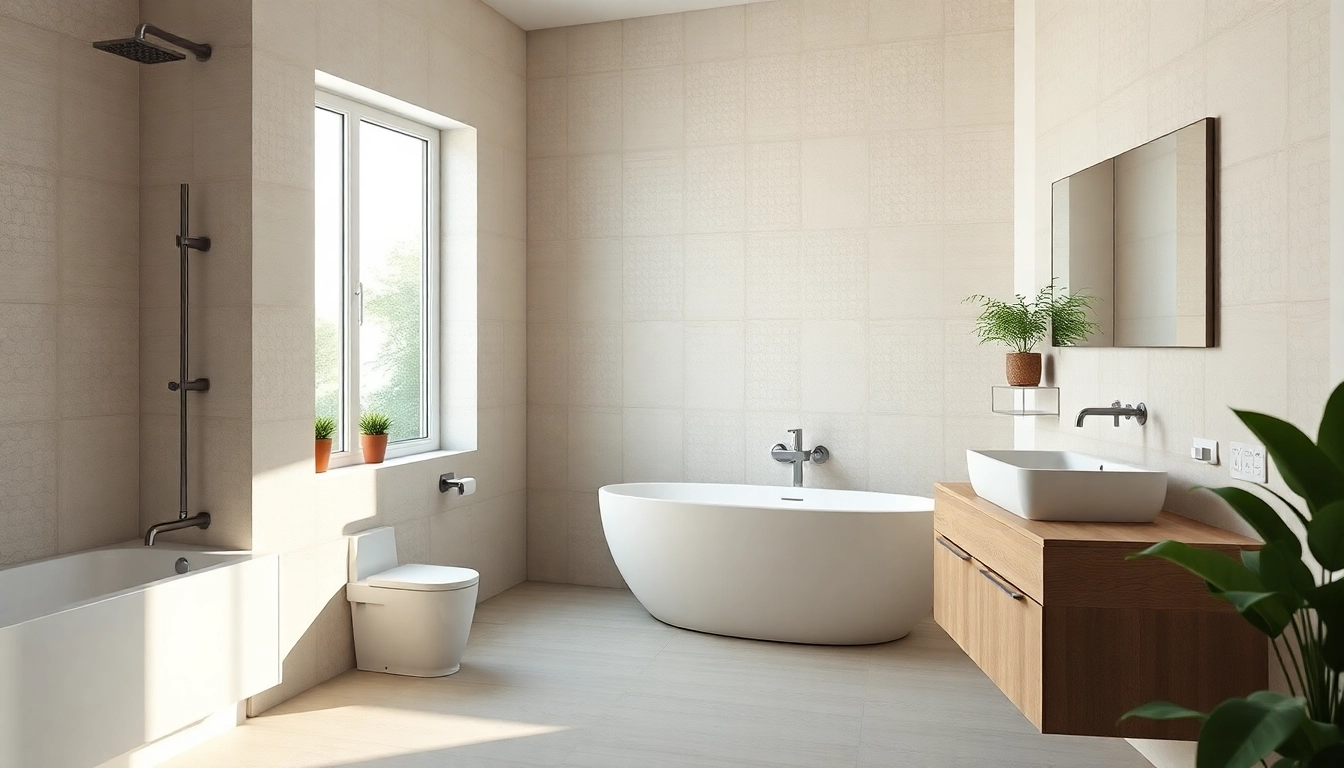
Erleben Sie die stilvolle Badezimmergestaltung mit sonni sanitär Produkten, die Eleganz und Funktionalität vereinen.

Badezimmerinnovationen: Wie sonni sanitär Ihre Wohnräume aufwerten kann

Einführung in sonni sanitär Produkte

Was ist sonni sanitär?

In der Welt der modernen Badezimmergestaltung steht sonni sanitär für Qualität und Innovation. Diese Marke bietet eine breite Palette von Sanitärprodukten, die auf die Bedürfnisse von Hausbesitzern und Fachleuten zugeschnitten sind. Das Sortiment reicht von stilvollen Armaturen und Waschbecken bis hin zu modernen Duschlösungen und Badmöbeln. Die Produkte sind nicht nur funktional, sondern auch ästhetisch ansprechend und unterstützen eine harmonische Badezimmergestaltung.

Vorteile von sonni sanitär Produkten

Die Vorteile von sonni sanitär Produkten sind vielfältig. Zunächst einmal überzeugen sie durch ihre herausragende Qualität. Jedes Produkt wird aus sorgfältig ausgewählten Materialien gefertigt, die Langlebigkeit garantieren. Darüber hinaus bietet sonni sanitär eine Vielzahl von Designs, die es den Kunden ermöglichen, ihren persönlichen Stil in das Badezimmer einzubringen. Ein weiterer Pluspunkt ist die einfache Installation der Produkte, die sowohl für professionelle Handwerker als auch für Heimwerker geeignet ist.

Qualitätsmerkmale und Materialien

Die hochwertigen Materialien, die in den Produkten von sonni sanitär verwendet werden, sind ein weiterer Vorteil. Viele Produkte bestehen aus rostfreiem Edelstahl, robustem Kunststoff und umweltfreundlichen Materialien, die auch im Hinblick auf die Nachhaltigkeit geprüft sind. Diese Merkmale sorgen dafür, dass die Produkte nicht nur langlebig, sondern auch pflegeleicht sind. Zudem wird bei der Herstellung auf umweltfreundliche Verfahren geachtet, was die ökologische Bilanz der Produkte verbessert.

Die neuesten Trends im Badezimmerdesign

Moderne Lösungen für kleine Räume

Ein wichtiger Trend im Badezimmerdesign ist die Verwendung von platzsparenden Lösungen. Produkte von sonni sanitär sind speziell dafür entworfen, auch in kleinen Räumen optimal zur Geltung zu kommen. Beispielsweise bieten kompakte Waschbecken und schmale Badmöbel effiziente Lösungen, die den Platzbedarf minimieren, ohne auf Stil und Funktionalität zu verzichten. Solche Produkte sind ideal für städtische Wohnungen, wo jeder Quadratmeter zählt.

Nachhaltige Materialien in der Badezimmergestaltung

Nachhaltigkeit ist ein wachsender Trend, der auch im Badezimmer immer mehr Beachtung findet. sonni sanitär integriert recycelte und umweltfreundliche Materialien in seine Produktlinien, um den ökologischen Fußabdruck der Badgestaltung zu verringern. Von wassersto sparenden Armaturen bis hin zu Möbeln aus nachhaltigen Hölzern zeigt sonni sanitär, dass elegantes Design und Umweltbewusstsein Hand in Hand gehen können.

Farbpsychologie im Badezimmer

Die Auswahl der Farben im Badezimmer hat einen signifikanten Einfluss auf die Stimmung und das Wohlbefinden. Helle, freundliche Farben fördern die Entspannung und schaffen eine einladende Atmosphäre. sonni sanitär bietet eine Vielzahl von Produkten in verschiedenen Farben und Oberflächenbehandlungen an, die es ermöglichen, die Auswirkungen der Farbpsychologie gezielt im Badezimmer zu nutzen. Dadurch können Räume geschaffen werden, die sowohl beruhigend als auch belebend wirken.

Funktionsweise und Installation von sonni sanitär Produkten

Vorbereitung für die Installation

Bevor man mit der Installation von sonni sanitär Produkten beginnt, ist eine gründliche Vorbereitung notwendig. Zunächst sollte man sich über die spezifischen Anforderungen und Maße des gewählten Produkts informieren. Eine Übersicht der benötigten Werkzeuge sowie eine Kontrolle des Zustands der Wasserleitungen sind ebenfalls entscheidend, um eine reibungslose Installation sicherzustellen. Zudem sollten alle notwendigen Materialien, wie Dichtungen und Schrauben, bereitliegen.

Schritt-für-Schritt-Anleitung zur Installation

Die Installation von sonni sanitär Produkten kann in mehreren einfach zu befolgenden Schritten durchgeführt werden. Zuerst sollte man die alte Armatur oder das alte Zubehör entfernen. Anschließend folgt die Montage der neuen Komponenten gemäß der beiliegenden Anleitung. Besonders wichtig ist die korrekte Abdichtung, um zukünftige Leckagen zu vermeiden. Abschließend testet man die Installation, um sicherzustellen, dass alles ordnungsgemäß funktioniert und keine Undichtigkeiten vorhanden sind.

Tipps für die Wartung von sonni sanitär Produkten

Die regelmäßige Wartung ist entscheidend für die Langlebigkeit von sonni sanitär Produkten. Es empfiehlt sich, Armaturen und Oberflächen mit milden Reinigungsmitteln zu säubern, um Ablagerungen und Schmutz zu entfernen. Auf aggressive Chemikalien sollte verzichtet werden, da sie die Oberflächen beschädigen können. Zudem sollte man regelmäßig die Dichtungen überprüfen und bei Bedarf austauschen, um eine optimale Funktionalität zu gewährleisten.

FAQs zu sonni sanitär Produkten

Wie lange hält sonni sanitär Produkte?

Die Haltbarkeit von sonni sanitär Produkten variiert je nach Modell und Nutzung. Generell sind die Produkte jedoch auf eine Lebensdauer von vielen Jahren ausgelegt, vorausgesetzt, sie werden regelmäßig gewartet.

Kann ich sonni sanitär Produkte selbst installieren?

Ja, viele sonni sanitär Produkte sind für eine einfache Installation konzipiert, die von Heimwerkern selbst durchgeführt werden kann. Eine klare Anleitung ist stets beigelegt, die die Schritte detailliert beschreibt.

Wo erhalte ich Ersatzteile für sonni sanitär Produkte?

Ersatzteile für sonni sanitär Produkte können über autorisierte Wiederverkäufer oder online erworben werden. Es ist wichtig, bei der Bestellung genau auf die Modellnummer zu achten.

Sind sonni sanitär Produkte umweltfreundlich?

Ja, viele sonni sanitär Produkte bestehen aus umweltfreundlichen Materialien und sind so gestaltet, dass sie Wasser sparen und Ressourcen schonen. Dies trägt zur Nachhaltigkeit bei.

Welche Garantie gibt es auf sonni sanitär Produkte?

Die Garantiebedingungen können je nach Produkt variieren, meist jedoch bietet sonni sanitär eine mehrjährige Garantie auf seine Produkte. Informationen dazu sind in der Produktverpackung enthalten.

Kundenerfahrungen und Testimonials

Erfahrungsberichte von Nutzern

Die Rückmeldungen von Kunden zu sonni sanitär Produkten sind überwiegend positiv. Viele Nutzer schätzen die einfache Installation und die hochwertigen Materialien, die zu einem ansprechenden Badezimmer beitragen. Kunden berichten nicht nur von der Langlebigkeit der Produkte, sondern auch von deren zeitgemäßen Designs, die sich harmonisch in moderne Badezimmer integrieren lassen.

Fallstudien von Renovierungsprojekten

Eine Vielzahl von Renovierungsprojekten hat den erfolgreichen Einsatz von sonni sanitär Produkten gezeigt. In einer Fallstudie wurde ein kleines Badezimmer erfolgreich umgestaltet, wobei platzsparende Lösungen von sonni sanitär verwendet wurden, die den Raum nicht nur funktional, sondern auch optisch aufwerteten. Die Kombination aus ästhetischen und praktischen Aspekten führte zu einer hohen Kundenzufriedenheit.

Wie sonni sanitär das Badezimmerlebnis verbessert

Durch die Integration neuester Technologien und qualitativ hochwertiger Produkte hat sonni sanitär das Badezimmererlebnis vieler Menschen verbessert. Die effektiven, komfortablen und stilvollen Lösungen tragen dazu bei, dass das Badezimmer nicht nur ein funktionaler Raum, sondern auch ein Ort der Entspannung und des Wohlbefindens wird.

Stunning colonial addition enhances a traditional home with elegant architectural details.

Enhancing Your Home with a Colonial Addition: Design Tips and Key Features

Understanding Colonial Addition and Its Benefits

What is a Colonial Addition?

A colonial addition is a structural enhancement that adheres to the traditional architectural styles of colonial homes. These additions are designed to seamlessly integrate with the existing structure while offering extra space, thus expanding living areas like kitchens, bedrooms, or family rooms. The essence of a colonial addition is to honor the historical characteristics of colonial architecture while serving the functional needs of modern living. Often, these additions will reflect design elements from the home’s original architecture, such as symmetrical lines, brick façades, and gabled roofs, ensuring that the new build feels like a natural extension rather than a standalone upgrade.

Key Advantages of Colonial Addition

Opting for a colonial addition comes with multiple benefits:

  • Enhanced Space: A colonial addition increases your home’s area, making it suitable for growing families or those desiring extra room for activities.
  • Increased Property Value: Homes with well-planned additions usually appreciate significantly, appealing to potential buyers.
  • Aesthetic Appeal: By integrating new elements with historical features, you maintain the property’s charm while improving functionality.
  • Customization: Owners can tailor additions to fit their unique needs, from expanded kitchens to additional bedrooms.
  • Energy Efficiency: Modern construction practices, when matched with traditional appeal, can improve home insulation and comfort.

Historical Context of Colonial Architecture

Colonial architecture has its roots in the late 1600s and early 1700s, primarily influenced by European settlers in North America. These homes were typically characterized by their symmetrical designs, steep roofs, and classic materials like wood and brick. As architectural styles evolved, the principles of colonial architecture remained influential, inspiring modern adaptations like the colonial addition. By acknowledging the historical context, homeowners can create new spaces that respect their home’s heritage.

Design Principles for a Successful Colonial Addition

Maintaining Architectural Harmony

For a colonial addition to be successful, it must harmonize with the existing structure. Consider the following design principles:

  • Symmetry: Colonial designs celebrate balance. Ensure that windows, doors, and architectural elements align symmetrically with the original part of your home.
  • Proportions: The scale of the new addition should be proportionate to the existing structure. Oversized additions can appear out of place, while smaller features may go unnoticed.
  • Materials: Use genuine materials like wood, stone, or brick that match the original home to maintain continuity.

Color Schemes and Materials

The color palette of the colonial addition should reflect the original hues while allowing for a fresh approach. Neutral tones like beige, white, or grey are commonly found in colonial homes, supplemented by bold accents in shutters or doors. Material choices also play a significant role in enhancing aesthetic appeal; for example, maintaining the original wood siding or opting for matching brick ensures visual coherence.

Landscaping Considerations

Landscaping around the colonial addition can enhance its beauty and cohesion with the property. Use native plants to complement the colonial style, ensuring they align with the overall architecture. Pathways should lead naturally to the new addition, creating seamless access to both the inside and outside spaces.

Planning Your Colonial Addition: Step-by-Step Guide

Assessing Your Home’s Current Layout

Before planning your colonial addition, conduct a thorough assessment of your home. Evaluate the existing layout, noting how space is currently utilized. Identify areas where additional room is necessary to maximize functionality without compromising flow. This evaluation serves as a foundation for your architectural design and must reflect the overall purpose of the addition.

Consulting with Professionals

Collaborating with architects and contractors experienced in colonial architecture ensures that your vision aligns with both style and structural integrity. Professionals can offer valuable insights into maintaining the authenticity of your home’s character while incorporating modern amenities. Engage them early in the planning phase to ensure all aspects—from design to zoning laws—are appropriately addressed.

Budgeting for Your Project

Establishing a comprehensive budget is crucial for successfully managing your colonial addition. Take into account costs associated with design, new materials, labor, and unforeseen expenses. Be transparent with your contractor about your financial expectations to mitigate miscommunication and keep the project within budget. Seeking multiple quotes from contractors can also help achieve a fair estimate.

Common Challenges and Solutions in Colonial Additions

Dealing with Local Regulations

Local zoning laws and building codes can often complicate colonial additions. It is critical to research these regulations before commencing your project. Speaking with local authorities or your contractor can clarify what is permissible and expected. Often, you’ll need to apply for permits that align with historical preservation standards, particularly if your home is classified as a historic structure.

Overcoming Design Limitations

Some homeowners may face design challenges based on existing architectural constraints. To overcome these, flexibility in selecting the type and location of the addition is essential. Consider alternative layouts, which may include utilizing vertical space or integrating elements into the existing structure that preserve historical integrity while meeting modern usage demands.

Choosing the Right Contractors

The success of your colonial addition heavily relies on choosing the right contractors. Conduct thorough research to find professionals with experience in heritage architecture who understand the nuances of colonial design. Ask for references and view past projects to ensure they align with your vision. A strong partnership with skilled professionals fosters trust and transparency throughout the construction process.

Frequently Asked Questions about Colonial Additions

How long does a colonial addition typically take to complete?

Completion time varies based on the size and complexity of the addition. Typically, it can take anywhere from a few months to over a year, depending on design choices and local regulations.

What permits are needed for a colonial addition?

Permits usually include building, zoning, and historical preservation. Requirements differ based on your locality, so checking with local authorities is crucial to avoid fines.

Can I match my colonial addition to an existing style?

Yes, a well-planned colonial addition can effectively mirror existing architectural styles. Careful selection of materials and design elements ensures continuity throughout your home.

What cost factors should I consider for a colonial addition?

Consider factors such as material choices, labor costs, permitting fees, and additional environmental considerations. Setting a realistic budget, reviewing various proposals can help manage unexpected costs.

Are colonial additions energy-efficient?

Modern construction techniques can enhance energy efficiency in colonial additions. Incorporating insulation, energy-efficient windows, and sustainable building materials can significantly lower energy consumption over time.

Showcase of products from furniture hardware manufacturers highlighting quality and design.

Transform Your Space: Essential Insights from Furniture Hardware Manufacturers

The Role of Furniture Hardware Manufacturers in Interior Design

Furniture hardware manufacturers play a pivotal role in shaping the aesthetics and functionality of our living spaces. Their products are the unsung heroes of interior design, often going unnoticed until we truly analyze our furniture’s layout and utility. From the smooth operation of drawers to the elegant touch of cabinet knobs, quality hardware can significantly transform a room. It’s essential to understand what defines furniture hardware and how its selection impacts your design choices.

Defining Furniture Hardware

Furniture hardware encompasses a variety of components that facilitate the assembly, operation, and decorative elements of furniture. This includes everything from hinges and drawer slides to handles, knobs, and fasteners. While these elements may appear minor, they are integral to the overall performance and appearance of furniture. High-quality hardware not only ensures smooth operation but also complements the design of a piece, enhancing its visual appeal.

Impact on Aesthetic and Functionality

The right choice of hardware can elevate the aesthetics of any furniture piece, making it a striking focal point or seamlessly blending with the overall design. For instance, brass handles can add a touch of vintage charm, while sleek stainless steel finishes often lend a modern look. Functionality is equally vital; sturdy hinges can ensure cabinet doors close smoothly, and reliable drawer slides facilitate ease of access. Thus, hardware impacts both the visual and practical aspects of furniture.

Choosing Quality Over Cost

When purchasing furniture hardware, the adage “you get what you pay for” is especially true. Opting for low-cost alternatives may save money initially, but frequently results in issues such as durability, performance, and aesthetics down the line. Investing in high-quality hardware from reputable furniture hardware manufacturers can prevent these frustrations, ensuring long-lasting use and satisfaction.

Types of Furniture Hardware to Consider

Cabinet and Drawer Hardware

Cabinet and drawer hardware are critical components for functionality. This category includes drawer pulls, knobs, and slides. When selecting drawer slides, it’s essential to consider weight capacity, ease of installation, and the desired operation style (full-extension or soft close). Similarly, cabinet pulls and knobs come in various styles, sizes, and finishes—each capable of dramatically influencing a cabinet’s look.

Hinges and Fasteners

Hinges are fundamental in providing movement and stability to doors and lids. There are various types, including concealed, butt, and pivot hinges, each suited for different uses. Fasteners, like screws or nails, hold furniture together ensuring durability and stability. Selecting robust hinges and quality fasteners is essential for longevity and safety.

Decorative Elements for Furniture

Decorative elements, including embellishments and brackets, can enhance the visual appeal of furniture. These aspects are often what make a piece stand out. Options range from intricate carvings to modern minimalistic styles, allowing for extensive personalization based on the overall theme of a space. The right decorative hardware can yield a cohesive and inviting interior.

Best Practices for Selecting Furniture Hardware

Assessing Your Project Needs

Before selecting hardware, assess the specific needs of your project. Consider the sort of furniture you’re designing and its intended use. Heavy-duty furniture will benefit from sturdy hardware, while lighter pieces may afford more decorative options. Understanding how each piece will be utilized will guide you in making informed choices.

Matching Style with Functionality

It’s essential to strike a balance between style and functionality. Each piece should not only look good but also serve its purpose effectively. For example, if you’re selecting handles for a children’s furniture piece, durability and safety should be prioritized over ornate designs. Always visualize how the hardware will integrate with your existing decor to avoid mismatches.

Researching Reliable Manufacturers

Not all furniture hardware manufacturers provide equal quality. Conducting research into different brands, reading reviews, and comparing products can aid in identifying reliable manufacturers. Look for those that focus on sustainability and quality, as these factors often correlate with better craftsmanship and design integrity.

Common Challenges with Furniture Hardware

Identifying Quality vs. Cheap Alternatives

One of the primary challenges faced when selecting hardware is distinguishing between high-quality products and cheaper alternatives. A good rule of thumb is to examine the material; solid metal hardware generally outlasts plastic versions. Moreover, reading user feedback can provide critical insights into the long-term performance of different products.

Compatibility Issues in Design

Compatibility between hardware and furniture design is another common hurdle. It’s crucial to ensure that the hardware not only fits the furniture but works harmoniously with its design style. Consider the scale and proportion of hardware relative to the furniture; overly large knobs on a small drawer could be visually disruptive.

Understanding Material Durability

Material choice directly impacts the longevity of furniture hardware. Some materials may degrade faster, particularly in high-humidity environments. Understanding the durability of metals, finishes, and coatings is essential for selecting products that will maintain their appearance and functionality over time.

Future Trends in Furniture Hardware Manufacturing

Sustainable Practices in Production

As environmental awareness rises, many furniture hardware manufacturers are adopting sustainable practices in their production processes. This includes utilizing recycled materials and eco-friendly finishes. Consumers are increasingly seeking out sustainable options, making it essential for companies to adapt to these preferences to remain competitive.

Smart Hardware Innovations

The integration of technology into furniture hardware is gaining momentum. Smart locks, sensor-activated hinges, and app-controlled lighting solutions are becoming more commonplace. These innovations offer enhanced convenience and security, providing users with modern solutions that streamline daily interactions with furniture.

Customization Options on the Rise

Customization is quickly becoming a significant trend in furniture hardware. More manufacturers are providing personalized options that allow consumers to choose specific finishes, sizes, and styles. This trend caters to unique design tastes and ensures that furniture can be tailored to fit individual preferences and lifestyles.

FAQs:

Q1: What types of furniture hardware are essential for remodeling?
A1: Essential hardware includes hinges, handles, knobs, and drawer slides that improve functionality and accessibility.

Q2: How do I choose the right hardware finish for my furniture?
A2: Consider the overall decor style; finishes like chrome, brass, or matte black can complement modern or traditional spaces.

Q3: Are there eco-friendly options in furniture hardware?
A3: Yes, many manufacturers offer sustainable materials and finishes, reducing environmental impact without sacrificing style.

Q4: How can I ensure hardware durability?
A4: Look for high-quality materials, proper coatings, and reviews from manufacturers that demonstrate robust performance.

Q5: Can I mix different furniture hardware styles?
A5: Yes, but ensure they harmonize visually. Mixing styles can create a unique character when done thoughtfully.

Roofing company team installing shingles on home roof, showcasing professional craftsmanship.

Why Choose Our Reliable Roofing Company for Your Home Project

Understanding the Role of a Roofing Company

When it comes to maintaining the integrity and aesthetics of your home, the role of a Roofing company is paramount. These specialized contractors help homeowners in a multitude of ways, from construction and repairs to inspections and maintenance. In this article, we’ll delve deeply into the diverse services offered by roofing companies, why quality roofing is crucial, and how to choose the right materials for your project.

What Services Do Roofing Companies Offer?

Roofing companies provide a wide array of services designed to address any roofing need you may have. Services often include:

  • New Roof Installation: This entails installing roofing on new constructions as well as replacing old roofs.
  • Roof Repairs: This includes fixing leaks, damages, and other issues that arise over the lifespan of a roof.
  • Roof Maintenance: Regular inspections and upkeep ensure roofs remain in good condition.
  • Emergency Services: Many roofing companies provide urgent assistance for storm damage or other immediate roofing issues.
  • Inspection Services: Professional evaluations help identify potential problems early on, saving homeowners money in the long run.

The Importance of Quality Roofing

Quality roofing is essential for several reasons:

  • Protection Against the Elements: A well-installed roof protects your home from rain, wind, snow, and hail.
  • Energy Efficiency: Quality materials and installation can reduce energy costs by improving insulation.
  • Increased Property Value: A new or well-maintained roof enhances curb appeal and adds resale value to your home.
  • Peace of Mind: Knowing your roof is secure and functioning reduces stress and minimizes unexpected repair costs.

Choosing the Right Materials for Your Roof

Choosing the right materials is a critical decision, affecting the lifespan and performance of your roof. Common roofing materials include:

  • Asphalt Shingles: Affordable and versatile, these shingles are popular for their reliability and ease of installation.
  • Metal Roofing: Known for durability and energy efficiency, metal roofs can last 50 years or more.
  • Tile Roofing: Tile roofs offer a distinct appearance and excellent longevity but can be more expensive.
  • Slate Roofing: This high-end option is unmatched in longevity and aesthetic appeal but comes with a hefty price tag.

Evaluating Roofing Companies: Factors to Consider

Choosing a roofing contractor isn’t just about price; quality, reliability, and reputation matter too. Here are key factors to consider when evaluating roofing companies:

Certifications and Experience of the Roofing Company

Ensuring your roofing company is certified and experienced is crucial. Look for contractors who are licensed, insured, and have a track record of completed projects. Experienced roofers bring valuable skills and knowledge to the job, ensuring better outcomes.

Insurance and Warranty Policies

Insurance coverage protects you and the workers in case of accidents. A roofing company should provide proof of liability insurance and workers’ compensation. Furthermore, inquire about warranties on both materials and workmanship, as these can protect you from unexpected costs down the line.

Client Reviews and Testimonials

Reviews and testimonials provide insight into a company’s reputation. Check online reviews, ask for references, and contact past clients to gauge their satisfaction. Positive feedback from others can guide your decision significantly.

The Roofing Process: What to Expect

Understanding the roofing process can ease anxieties around your project. Here’s what you can typically expect:

Initial Consultation and Inspection

The journey begins with an initial consultation where the roofing contractor inspects your roof’s current condition. They will assess any visible issues and listen to your concerns and preferences regarding the project.

Estimation and Budgeting Processes

After the inspection, the contractor will provide an estimate detailing costs associated with labor, materials, and other expenses. Be sure to discuss budget options and payment plans to find a solution that works for you.

Timeline of Roofing Projects

Every roofing project has a timeline that depends on the scope and type of work. Typically, small repairs may take a day or two, while complete re-roofing can take anywhere from a few days to a couple of weeks. Good communication with your contractor can help manage expectations regarding project timelines.

Common Roofing Issues and Solutions

Roofing problems are unfortunate but often inevitable. Knowing how to identify issues early can prevent costly damage later. Here are some common roofing concerns:

Identifying Roof Leaks and Damage

Regularly inspect your roof for signs of leaks or damage, such as water stains on ceilings or walls, missing shingles, or mold growth. Quick identification and professional evaluation can lead to effective repairs before the damage escalates.

Signs Your Roof Needs Replacement

There are various indicators that might signal the need for a roof replacement. These include multiple leaks, extensive shingle curling or buckling, visible sagging, and age beyond the typical lifespan of your roofing material.

Preventative Maintenance Tips for Homeowners

Simple maintenance can significantly extend your roof’s lifespan and performance. Here are some tips:

  • Clean gutters regularly to avoid water backup and damage.
  • Inspect roof shingles and flashing for damage after severe weather.
  • Trim surrounding trees to prevent branches from rubbing against the roof.
  • Schedule annual professional inspections to catch issues early.

FAQs About Roofing Companies

How do I choose a roofing company?

Evaluate their experience, certifications, insurance, and reviews. Ask for references and compare estimates before making a decision.

What should I expect during a roofing project?

Expect a thorough inspection, consultation on materials and costs, timely execution of work, and clear communication from your contractor throughout the process.

How long does a new roof typically last?

The lifespan of a roof varies by material: asphalt shingles last about 20-30 years, while metal roofs can last up to 50 years or more with proper maintenance.

What warranties do roofing companies offer?

Warranties vary by company and material but typically include coverage for workmanship and materials. Check the specific warranty details before hiring.

Are roofing estimates free?

Many roofing companies provide free estimates; however, always confirm this during your initial consultation to avoid any confusion.

Skilled plumber providing whole house repiping services Tampa in a modern kitchen setting.

Comprehensive Whole House Repiping Services Tampa for Your Home Needs

Understanding Whole House Repiping Services Tampa

Whole house repiping is a crucial service that ensures the longevity and functionality of your plumbing system. As plumbing systems age, they can become problematic, leading to issues like leaks, low water pressure, and contaminated water. For those considering substantial changes to their plumbing infrastructure, seeking out whole house repiping services Tampa offers a solution that addresses these potential challenges.

What is Whole House Repiping?

Whole house repiping involves replacing the existing plumbing pipes in a home with new, durable materials. This process is often necessary for homes built with outdated plumbing systems that may be corroded or subjected to wear and tear over time. Repiping not only enhances water quality but also ensures better water pressure and mitigates the risk of leaks and water damage.

The process typically involves evaluating the entire plumbing system, determining which pipes need replacing, and installing new piping throughout the home. The most common materials used include copper, PEX, and CPVC, each with their own advantages tailored to various homeowner needs.

Benefits of Whole House Repiping Services Tampa

Engaging in whole house repiping can yield numerous benefits for homeowners:

  • Improved Water Quality: New pipes can significantly enhance the quality of water flowing through your taps, eliminating rust and reducing contaminants.
  • Increased Home Value: Homes with updated plumbing systems often see an appreciation in property value, making them more appealing to future buyers.
  • Fewer Repairs: A new plumbing system reduces the likelihood of frequent leaks and water damage, thereby minimizing maintenance costs in the long run.
  • Enhanced Energy Efficiency: Upgraded systems can improve the efficiency of water heating and reduce utility bills over time.

Signs You Need Repiping

Identifying the need for repiping is essential for maintaining your home’s safety and efficiency. Here are some warning signs:

  • Frequent Leaks: If you’re regularly dealing with pipe leaks, it may indicate an extensive issue with your plumbing.
  • Low Water Pressure: A noticeable drop in water pressure can be an indication of clogged or corroded pipes.
  • Discolored Water: Rusty or discolored water emanating from your faucets suggests corroded pipes that need replacing.
  • Old Plumbing Materials: Homes with outdated materials like galvanized steel are prime candidates for repiping.

Factors Influencing Repiping Costs

When considering whole house repiping, understanding the costs involved is crucial. Several factors influence the overall budget:

Material Choices in Repiping

The type of material selected for repiping significantly affects costs. Copper, while durable and long-lasting, tends to be the most expensive option. PEX is a flexible, easy-to-install material that is often more cost-effective, and CPVC presents a balance between price and durability. Choosing the right material will depend on your home’s plumbing needs and budget constraints.

Labor and Installation Costs

Labor costs can vary based on location and the expertise of the plumbing professionals. Complex installations may require specialized labor, contributing to higher costs. It’s essential to obtain multiple quotes and choose a reputable plumbing service that offers comprehensive assessments of the work required.

Extent of Work Required

The complexity of the installation will also impact the total cost. Factors such as the size of the home, the layout of the plumbing system, and accessibility to pipes can all contribute to the extent of work required. Homes with multi-story layouts versus single-story homes may experience different costs due to the different installation challenges.

Choosing the Right Plumbing Service for Repiping

Selecting a qualified plumbing service is critical to ensuring that the repiping is done correctly and efficiently. Here are several considerations to guide your choice:

Credentials to Look for in a Plumbing Specialist

Before engaging a plumbing service, verify their credentials, including licenses, certifications, and insurance. Qualified plumbers should possess the necessary licenses to operate in your jurisdiction, ensuring compliance with local regulations.

Questions to Ask Potential Plumbers

Prepare a list of questions to facilitate effective communication with potential plumbing professionals. Inquire about their experience with repiping projects, the materials they recommend, and the timeframe for completion. Understanding their approach can help you assess whether they fit your project’s needs.

Reading Reviews and Testimonials

Online reviews and testimonials can provide insight into the quality of a plumbing service. Look for consistent positive feedback, as well as any red flags relating to customer service and workmanship. Platforms like Google and Yelp can be great resources for gauging customer satisfaction.

The Repiping Process: What to Expect

Understanding the repiping process helps prepare homeowners for what lies ahead. Here’s an overview of the key stages:

Initial Inspection and Assessment

The process begins with a thorough inspection of your home’s plumbing system. A professional plumber will assess the condition of your pipes, identify any problem areas, and provide a comprehensive plan for repiping.

Preparing Your Home for Repiping

Before the installation begins, homeowners must prepare their homes. This includes clearing spaces to allow access to pipes, relocating furniture, and potentially finding alternative accommodations if extensive work is involved. Effective preparation can ease the process significantly.

Post-Installation Tips

Once the repiping is complete, homeowners should follow up with several practices to ensure the longevity of their new system. These practices include running water through all pipes to clear any debris, monitoring for leaks, and familiarizing oneself with shut-off valves in case of emergencies.

Maintenance Following Whole House Repiping Services Tampa

To maximize the benefits of your new plumbing, maintenance is crucial. Here are several key practices:

Routine Checks for Plumbing Systems

Conduct regular inspections of your plumbing system to detect potential issues early. Check for leaks, examine exposed pipes for signs of wear, and ensure all fixtures are functioning correctly.

How to Handle Common Plumbing Issues

Several common plumbing issues can arise post-repiping, including clogs or minor leaks. Knowing how to address these issues promptly can prevent extensive damage and maintain the efficiency of your plumbing system.

Long-term Care for Your Pipes

Implement regular plumbing maintenance routines, including flushing your water heater annually and scheduling periodic inspections with a qualified plumber. Consistent upkeep helps ensure the longevity of your new piping and overall plumbing system.

FAQs

What are the signs that indicate I need whole house repiping?

If you experience frequent leaks, low water pressure, or rusty water, these could be signs that your home needs repiping.

How long does the whole house repiping process take?

Generally, the process can take anywhere from a few days to a week, depending on the size of the house and complexity of the system.

What types of pipes are commonly used in repiping?

Copper, PEX, and CPVC are the most commonly used materials, each offering different advantages in terms of cost and durability.

Is repiping a disruptive process?

Yes, repiping can be disruptive since it involves considerable plumbing work. It’s advisable to plan for minimal disruption to your daily routines.

How can I maintain my plumbing after repiping?

Regularly check for leaks, flush your water heater, and schedule annual plumbing inspections to ensure optimal performance.

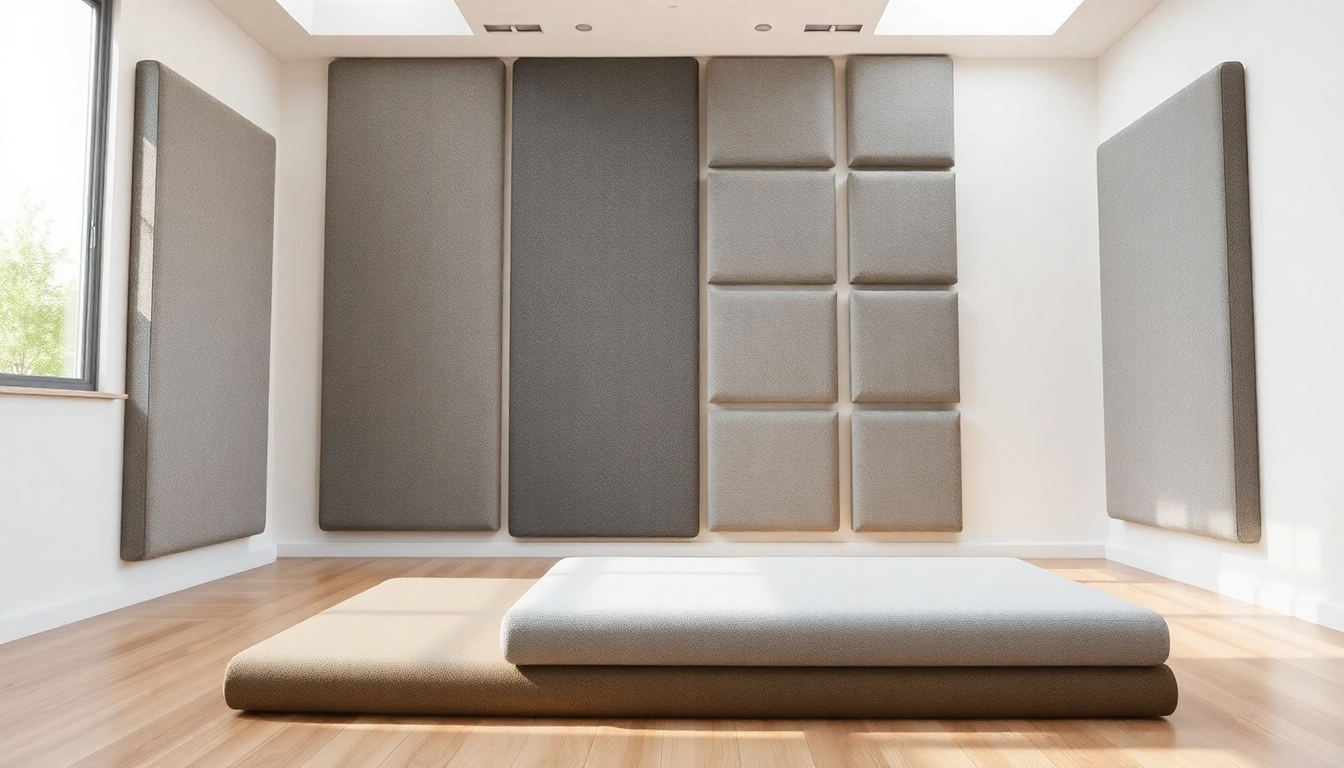
Enhance your space with effective soundproofing materials showcasing sleek design and functionality.

Maximizing Comfort: The Essential Guide to Soundproofing Techniques

Understanding Soundproofing Basics

Sound can be an unwelcome guest in our homes and workplaces, hindering our peace, productivity, and overall quality of life. As such, understanding the principles of Soundproofing is essential for anyone looking to create a tranquil environment. This guide will walk you through the basics of soundproofing, its mechanisms, and the materials involved, to help you tackle noise nuisance effectively.

What is Soundproofing?

Soundproofing refers to the process of blocking or reducing the transmission of sound from one space to another. It involves utilizing various techniques and materials designed to absorb, deflect, or isolate sound waves. While some may confuse soundproofing with sound absorption, the two are distinct; soundproofing aims to prevent sound from entering or leaving a space, whereas sound absorption reduces echo and reverberation within a space.

How Soundproofing Works

At its core, soundproofing works by manipulating sound waves. When sound hits a barrier, it can either be transmitted, absorbed, or reflected. High-frequency sounds tend to be absorbed more readily than low-frequency sounds. Soundproofing products take advantage of this principle by incorporating dense, heavy materials that minimize sound transmission. The effectiveness of soundproofing also relies on a tight seal around doors, windows, and any potential sound leaks, as even the smallest gaps can allow for sound passage.

Common Soundproofing Materials

Numerous materials are available for effective soundproofing, each with unique properties. Here are some commonly used materials:

  • Mass Loaded Vinyl (MLV): A dense, flexible material that adds mass to walls and other surfaces.
  • Acoustic Foam: Designed to absorb sound waves and reduce echo.
  • Resilient Channels: Metal strips that decouple drywall from wall studs to minimize sound transfer.
  • Soundproof Drywall: Extra thick and heavy, this drywall incorporates sound-dampening materials.
  • Carpet and Underlayment: Effective at absorbing sound in floors, particularly in multi-story buildings.

Identifying Sound Problems

Before delving into soundproofing solutions, it’s crucial to identify the sources of unwanted noise and assess your space accurately. This evaluation will help you tailor a soundproofing strategy that meets your specific needs.

Common Noise Sources

Noise can originate from various sources, both internal and external. Common culprits include:

  • Traffic Noise: Urban areas often contend with the sound of vehicles, which can seep into homes.
  • Appliances: HVAC units, refrigerators, and washing machines can produce disruptive sounds.
  • Neighbors: In multi-family dwellings, sounds from adjacent units can be particularly bothersome.
  • Footsteps: In multi-story buildings, the sounds of footsteps or furniture movement can travel through floors.

Assessing Your Space

To effectively soundproof your area, conduct a thorough assessment. Walk through your home or office and identify which areas are most affected by noise. Take note of sound levels at different times of day, as well as specific activities that exacerbate the sound issue. These insights will guide your soundproofing solutions.

Impact on Well-being

Excessive noise pollution can have detrimental effects on mental health and physical well-being. Studies have shown that chronic noise exposure can lead to increased stress, anxiety, and even sleep disturbances. Moreover, a noisy environment can also affect work performance and concentration. Thus, implementing effective soundproofing solutions can significantly enhance quality of life.

Soundproofing Solutions for Homes

Transforming your residence into a quieter, more serene environment involves a variety of soundproofing techniques tailored to different structures within your home.

Wall Soundproofing Techniques

Walls are the main entry points for sound, making them a primary focus for soundproofing. Effective techniques include:

  • Adding Mass: Incorporate heavy materials like soundproof drywall or MLV to increase wall density.
  • Decoupling: Use resilient channels to separate drywall from studs, reducing sound transmission.
  • Sealing Gaps: Apply acoustical caulk around electrical outlets, baseboards, and any wall penetrations to eliminate leaks.
  • Acoustic Panels: Install decorative acoustic panels to absorb sound and improve aesthetics.

Floor Soundproofing Methods

Sound transmission through floors can be particularly disruptive, especially in multi-story buildings. Consider the following methods:

  • Carpet and Padding: Thick carpets with quality padding can significantly reduce noise.
  • Soundproof Underlayment: Add a layer of soundproof material beneath hardwood or tile floors to dampen sound.
  • Floating Floors: Install floors that do not directly touch the subfloor, using rubber or air-filled materials to create isolation.

Ceiling Soundproofing Solutions

Ceiling soundproofing is crucial in preventing noise from traveling between floors. Implement these strategies:

  • Acoustic Tiles: Install acoustic ceiling tiles designed to absorb sound and reduce echoes.
  • Double Layer Drywall: Use two layers of drywall with sound-dampening adhesive to create a thicker barrier.
  • Insulation: Incorporate soundproof insulation in ceiling cavities to minimize sound transmission.

Commercial Soundproofing Strategies

Commercial spaces often require tailored soundproofing solutions to maintain productivity and create a conducive work environment. Strategies vary by type of space but share common goals of managing noise effectively.

Noise Control in Offices

In office environments, an open layout can amplify noise disruption. Effective strategies include:

  • Noise-Reducing Partitions: Install partitions made from sound-dampening materials to create quieter areas.
  • Soft Furnishings: Use rugs, curtains, and fabric-covered furniture to absorb sound.
  • Quiet Zones: Designate quiet areas for focused work away from high-traffic sections.

Soundproofing in Studios

Studios require exceptional soundproofing to ensure clear audio quality during recording. Consider the following:

  • Soundproof Booths: Construct booths with thick walls and sufficient sound insulation.
  • Floating Floors: Use floating floors to eliminate vibrations that affect recordings.
  • Acoustic Treatment: Apply acoustic panels throughout the space to manage sound reflections and echoes.

Best Practices for Public Spaces

Managing noise in public spaces requires strategic planning and construction techniques. Here are some best practices:

  • Soft Surfaces: Incorporate carpets, curtains, and upholstered furniture to absorb sound.
  • Acoustic Panels: Use panels on walls and ceilings to mitigate noise in high-traffic areas.
  • Sound Masking Systems: Implement systems that generate ambient sound to reduce auditory distractions.

Evaluating Soundproofing Effectiveness

Once soundproofing solutions have been implemented, it’s crucial to evaluate their effectiveness and make any necessary adjustments.

Measuring Sound Levels

Utilize a sound level meter to measure ambient noise levels before and after soundproofing measures. This instrument quantifies noise exposure in decibels (dB), allowing for a clear comparison of sound reduction effectiveness. Aim for a reduction of at least 5 dB to notice a significant difference in noise perception.

Making Adjustments Based on Results

If sound levels remain problematic, reassess your soundproofing measures. Explore additional soundproofing materials, reinforce seals, or layer existing solutions to boost effectiveness. Consultation with an acoustics professional can also provide tailored recommendations based on your specific noise challenges.

Long-term Maintenance and Upkeep

Soundproofing is not a one-time task; it requires ongoing maintenance. Regular checks for gaps, wear, and degradation of materials can help maintain effectiveness. Consider replacing outdated soundproofing materials and addressing any new noise sources as environments change.

FAQs About Soundproofing

What is the best soundproofing material?

The best material depends on your needs. Mass Loaded Vinyl, soundproof drywall, and acoustic foam are top options for home soundproofing.

Can I soundproof my apartment without permission?

You may need permission for significant changes, but adding rugs, curtains, or wall hangings typically doesn’t require it.

How effective is soundproofing?

With proper materials and techniques, soundproofing can significantly reduce noise levels, often by 5 dB or more.

Will soundproofing help with loud neighbors?

Yes, effective soundproofing can dampen noise from neighbors, making it less intrusive and easier to manage.

Is soundproofing expensive?

Cost varies by method and materials used. Simple DIY projects can be affordable, while professional installations tend to be pricier.

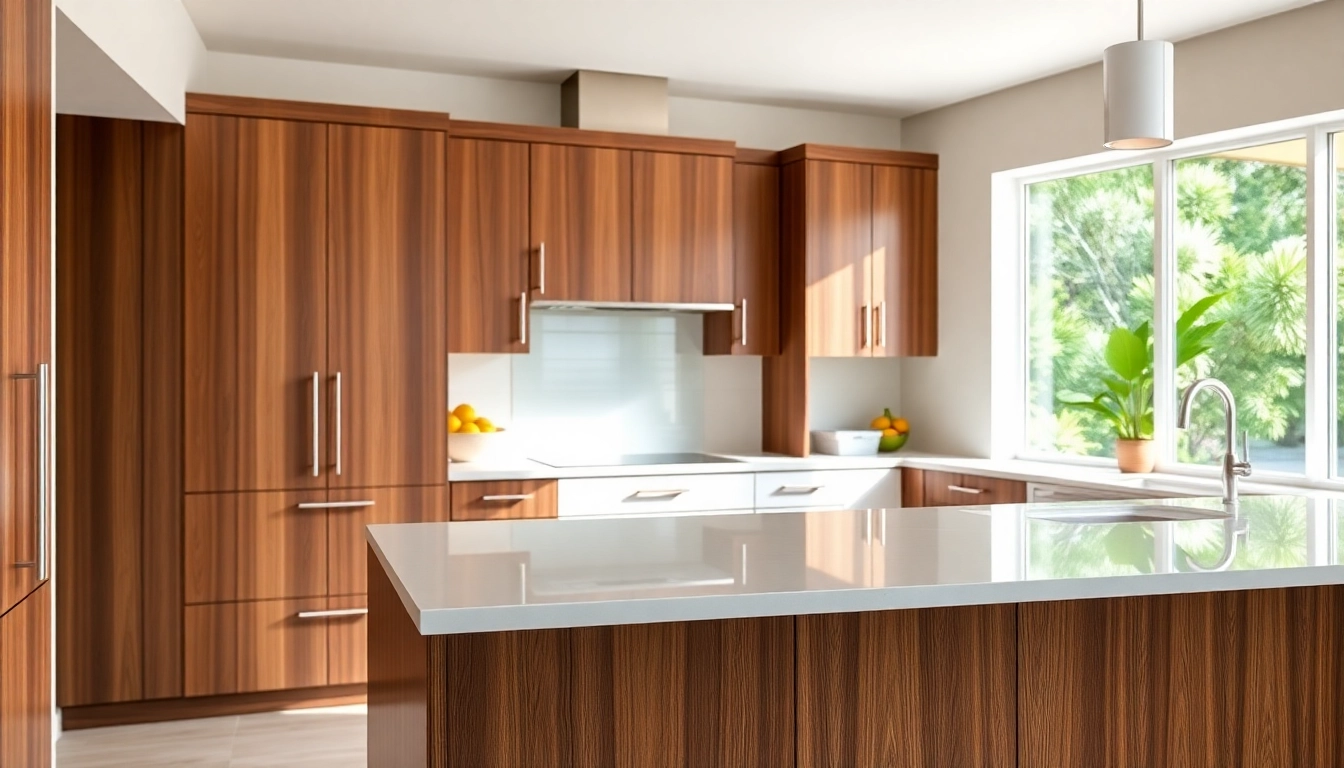
Cabinet Refacing Clearwater FL in a beautifully renovated kitchen showcasing sleek cabinetry.

Enhance Your Space with Cabinet Refacing Clearwater FL: Modern Solutions for a Fresh Look

Understanding Cabinet Refacing Clearwater FL

What is Cabinet Refacing?

Cabinet refacing is a transformative approach utilized by homeowners to update the appearance of their kitchen cabinets without the high costs associated with a complete replacement. This process involves removing the existing cabinet doors and drawer fronts, and replacing them with new ones, while keeping the original cabinet structure intact. The visible surfaces of the cabinets are then covered with a veneer or laminate, allowing for a fresh, modern look. By opting for Cabinet Refacing Clearwater FL, homeowners can enjoy a remarkable change in aesthetic appeal with minimized disruption to their daily routines.

Benefits of Cabinet Refacing

The benefits of cabinet refacing extend beyond just aesthetics. Here are some compelling reasons to consider this option:

  • Cost-Effective: Refacing is typically less expensive than a full kitchen remodel. Homeowners can achieve a high-end look without breaking the bank.
  • Quick Implementation: The refacing process can generally be completed within a few days, making it a more immediate solution compared to extensive renovations.
  • Less Waste: By reusing the cabinet boxes and simply updating the fronts and finishes, cabinet refacing is a more sustainable option, reducing landfill waste.
  • Customized Choices: Homeowners can pick from a variety of styles, colors, and finishes, allowing for a personalized kitchen that suits their taste.
  • Increased Home Value: An updated kitchen attracts potential buyers, boosting the overall value of the home.

Ideal Kitchen Styles for Refacing

Cabinet refacing is suitable for a wide range of kitchen styles. Here are a few designs where refacing can yield significant improvements:

  • Traditional: In a traditional kitchen, refacing can enhance the classic elegance of wood cabinetry with rich stains or painted finishes.
  • Modern: For modern kitchens, sleek, high-gloss finishes or minimalist designs can provide a contemporary upgrade.
  • Cottage: A cozy cottage-style kitchen can benefit from soft hues and textured finishes, giving it a warm and inviting feel.
  • Farmhouse: Refacing with distressed wood or shaker-style doors can emphasize the rustic appeal of a farmhouse kitchen.

Essential Steps in the Cabinet Refacing Process

Initial Consultation and Planning

The cabinet refacing journey begins with a thorough consultation. Homeowners should discuss their vision, preferences, and budget with a professional. The planning stage includes measuring the existing cabinets and assessing any structural repairs needed. Expert advice can also guide homeowners in choosing styles and finishes that align with their kitchen’s overall design and functionality.

Choosing Materials and Styles

Once the planning stage is complete, the next step is selecting suitable materials and styles. Choices for cabinet doors and finishes can vary widely:

  • Doors: Homeowners can choose from solid wood, MDF, or laminate for their cabinet doors.
  • Finishes: Options may include paint, stain, or even specialty finishes like glazing or distressing.
  • Hardware: Selecting handles and knobs that complement the new look is essential for completing the transformation.

These selections ultimately influence the style and feel of the kitchen.

Installation Process Overview

The installation is where the magic happens. The professional team will start by removing the old cabinet doors and drawer fronts. Next, they apply the new veneer to the cabinet boxes, ensuring a seamless appearance. New doors and drawer fronts are then installed, followed by the desired hardware. The entire process is precise to guarantee that the cabinets not only look beautiful but function well.

Cost Considerations for Cabinet Refacing Clearwater FL

Typical Pricing Factors

The cost of cabinet refacing can vary based on several factors, including:

  • Material Selection: Higher quality materials will increase overall costs, while budget-friendly options may reduce expenditure.
  • Cabinet Size and Layout: Larger kitchens with more cabinets naturally incur higher costs.
  • Custom Features: If homeowners desire custom cabinetry or specialized finishes, prices can escalate accordingly.

Typically, homeowners can expect to spend between 30% to 50% of the cost of a new kitchen installation.

Budgeting Tips for Homeowners

To effectively budget for cabinet refacing, homeowners should:

  • Obtain multiple quotes to understand the market rate.
  • Prioritize which aspects are most important, such as material quality or design features.
  • Allocate a contingency budget for unexpected expenses during the installation process.
  • Consider timing the project during off-peak seasons for potentially lower rates.

With careful planning, homeowners can achieve their desired kitchen look without exceeding their budget.

Comparing Costs with Full Kitchen Remodel

When considering whether to reface cabinets or undergo a full kitchen remodel, it is essential to note the stark difference in pricing. A full remodel can introduce costs ranging from $20,000 to $50,000 or more, while refacing typically falls between $3,000 to $12,000, depending on the choices made. This significant cost difference, paired with a quicker turnaround time for refacing, makes it an appealing alternative for many homeowners looking for a fresh kitchen update without the extensive disruption.

Frequently Asked Questions about Cabinet Refacing

How Long Does Cabinet Refacing Take?

The average cabinet refacing project typically takes between 3 to 5 days, depending on the size of the kitchen and the complexity of the work involved.

Can I Change My Cabinet Layout?

Cabinet refacing focuses on changing the fronts and finishes. If layout changes are desired, a full remodel may be necessary.

What Types of Finishes Are Available?

Available finishes include paints, stains, glazes, and specialty options like distressed or high-gloss surfaces to suit various styles.

Is Cabinet Refacing Eco-Friendly?

Yes, because it reuses the cabinet structure, reducing the amount of waste compared to a complete tear-out. It’s a sustainable choice for environmentally-conscious homeowners.

Will Refacing Work on Any Cabinets?

Refacing works best on solid and structurally sound cabinets. If the cabinets are damaged or unstable, repair or replacement may be necessary.

Finding the Right Professionals in Clearwater FL

Researching Local Experts

Finding qualified professionals for cabinet refacing involves thorough research. Homeowners should start by checking online reviews and ratings for local cabinet refacing companies. Recommendations from friends or family can also provide insights into reliable contractors. Additionally, checking for certifications and associations related to woodworking and remodeling can further ensure quality service.

Avoiding Common Pitfalls in Hiring

It’s crucial for homeowners to avoid common pitfalls when hiring refacing professionals, such as:

  • Choosing based solely on price without considering quality and reputation.
  • Not asking for a detailed written estimate that outlines the scope of work, materials used, and timelines.
  • Failing to check references or view examples of previous work done by the contractors.

By taking a diligent approach, homeowners can secure skilled contractors who will ensure a successful project.

Questions to Ask Your Contractor

Before hiring a contractor, it’s essential to ask several pertinent questions, including:

  • What is your experience with cabinet refacing?
  • Can you provide references from previous clients?
  • What warranty or guarantee do you offer on your work?
  • What materials do you recommend and why?
  • How do you handle unexpected issues that arise during the project?

The answers to these questions can provide invaluable insight into the contractor’s reliability and expertise.