
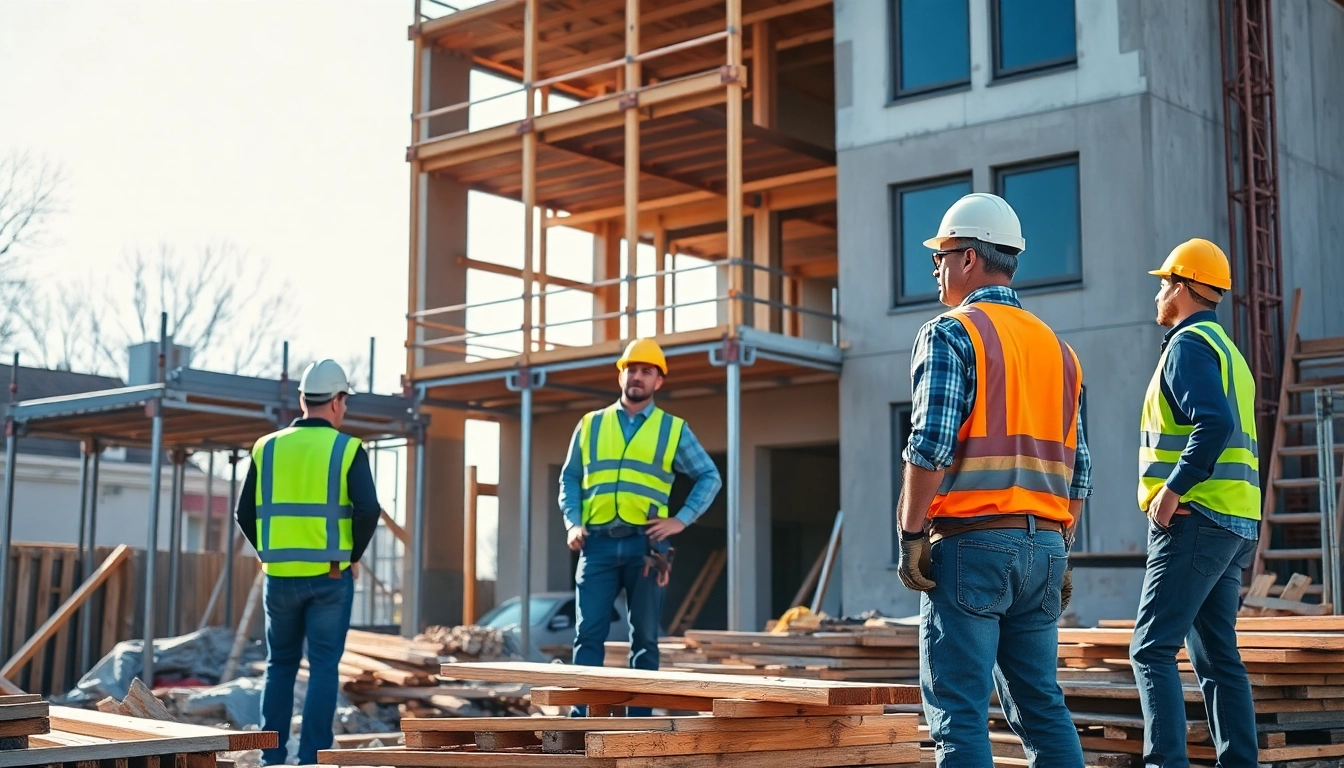
Introduction to New Jersey General Contractor Services
When embarking on a construction project in New Jersey, one of the most pivotal decisions you will make is selecting a reliable New Jersey General Contractor. These professionals play a critical role in the successful execution of construction projects, whether for residential renovations or large-scale commercial developments. Understanding the various facets of general contracting services helps clients navigate this essential aspect of construction with confidence.
Understanding General Contracting
General contracting encompasses a variety of services related to the construction and renovation of buildings. A general contractor (GC) acts as the middleman who manages the day-to-day oversight of a construction site, coordinates all project activities, and ensures that everything runs smoothly. Their responsibilities include hiring and managing subcontractors, providing materials, ensuring compliance with building codes, and maintaining the project timeline.
Every project is unique, and thus the contractor’s role may evolve depending on the specific requirements of the construction project. From initial planning and design to scheduling and budgeting, general contractors are integral to turning a client’s vision into reality.
The Importance of Hiring a Licensed Contractor
Choosing a licensed contractor is crucial for several reasons. First, licensure ensures that the contractor has undergone the necessary training and possesses the skills required to manage construction projects legally and efficiently. This not only assures quality workmanship but also provides a certain level of client protection in case issues arise.
Moreover, working with licensed professionals also often means they are well-versed with the local building codes and regulations, which helps avoid costly mistakes and penalties. Additionally, a licensed contractor typically carries liability insurance, protecting the client against potential accidents or damages during construction.
Key Services Offered by New Jersey General Contractors
New Jersey General Contractors provide a comprehensive suite of services tailored to meet the diverse needs of their clients. These services typically include:
- Project Management: Overseeing the entire construction process to ensure deadlines are met and the project stays within budget.
- Design-Build: Providing both design and construction services under one contract, streamlining communication and execution.
- Renovations and Remodeling: Helping clients update and improve existing spaces, whether residential or commercial.
- New Construction: Managing the construction of buildings from the ground up, ensuring quality and compliance throughout the process.
- Consultation Services: Offering expert advice on project feasibility, material selection, and budgeting.
Choosing the Right New Jersey General Contractor
Selecting the right general contractor for your project can significantly influence the outcome. This section outlines key criteria to consider when making your choice.
Criteria for Selection
When searching for a New Jersey General Contractor, consider the following criteria:
- Experience: Look for contractors with relevant experience in projects similar to yours. Their portfolio should reflect a history of successful undertakings.
- Reputation: Research online reviews, testimonials, and references. A solid reputation is often a sign of reliability and professionalism.
- Insurance and Licensing: Verify that the contractor is licensed and carries adequate insurance coverage, which is essential for protection against liabilities.
- Communication Skills: A good contractor should keep lines of communication open, providing updates and being responsive to inquiries.
- Detailed Estimates: The contractor should provide detailed and transparent estimates, outlining all costs associated with the project.
Checking Credentials and References
Before finalizing your contractor choice, conducting thorough checks on their credentials and contacting references is essential. Ask for a portfolio of completed projects that showcase diversity, quality, and adherence to timelines. Reach out to former clients to gain insights into their experiences. Inquire about issues they faced and how the contractor resolved them, as this information could reveal much about the contractor’s problem-solving skills and customer service.
Understanding Contract Terms and Conditions
Every agreement with a contractor should clearly outline the project scope, payment schedule, and deadlines. Review all terms carefully to avoid misunderstandings later. Important elements to look for include:
- Scope of Work: A detailed description of what is and isn’t included in the project.
- Warranties: Information on contractor guarantees regarding workmanship and materials used.
- Payment Schedule: Breakdown of payment milestones tied to the completion of specific project phases.
- Change Orders: Procedures for handling any modifications to the initial plans and their impacts on cost and timeline.
Common Challenges in Construction Projects
Construction projects can be fraught with challenges that may affect both timelines and costs. Recognizing these potential pitfalls in advance can help mitigate their impacts.
Managing Costs and Budgets
One of the most significant challenges in construction is managing costs and budgets effectively. An experienced contractor will develop a realistic budget, taking into account all aspects of the project. Ongoing tracking of expenses and timely adjustments to budget forecasts are critical for staying within financial constraints. Cost overruns often stem from unexpected delays or scope changes, making preventive measures essential.
Dealing with Delay Issues
Delays in construction can arise from various factors, including weather, supply chain disruptions, or labor shortages. Proactive planning is essential to minimize these delays. Effective contractors will incorporate buffer times into schedules and maintain continuous communication with all project stakeholders to foresee potential hurdles.
Navigating Local Regulations
Each municipality in New Jersey has its own set of building codes and zoning regulations, which can seem daunting. A knowledgeable general contractor is familiar with these regulations and ensures that all aspects of the project comply with local laws, thereby preventing fines or the need for costly alterations down the road.
Best Practices for Working with a New Jersey General Contractor
Establishing a successful working relationship with your general contractor is essential for project success. Here are best practices to enhance collaboration.
Effective Communication Strategies
Clear and open communication is key when working with a contractor. Define communication protocols from the outset, including regular updates and check-in meetings. Utilize project management tools where appropriate to facilitate real-time updates on progress and issues.
Establishing a Collaborative Work Environment
Building a strong partnership with your contractor fosters a collaborative environment that is conducive to successful project execution. Mutual respect and understanding of each other’s roles create a framework where both parties can thrive, leading to higher quality outcomes.
Monitoring Progress and Quality Assurance
Regularly monitoring the progress of the project is vital. Schedule walkthroughs to assess the quality of workmanship and compliance with project specifications. Discuss any concerns promptly with the contractor to address issues before they escalate.
FAQs About New Jersey General Contractor Services
What services do New Jersey General Contractors typically provide?
New Jersey General Contractors typically offer services such as project management, design-build solutions, renovations, and new construction. They ensure compliance with regulations and oversee all aspects of the construction process.
How do I find a reputable New Jersey General Contractor?
To find a reputable contractor, research online reviews, ask for recommendations from friends or family, and check their credentials. Review their previous work and contact references for insights into their reliability and professionalism.
What should I consider in the contract with a New Jersey General Contractor?
When reviewing the contract, focus on the scope of work, payment terms, timelines, warranties, and procedures for handling changes. Ensure that all terms are detailed to prevent misunderstandings.
How do New Jersey General Contractors manage project costs?
Contractors manage costs by creating detailed budgets, tracking expenses closely, and making necessary adjustments throughout the project. Effective communication and rigorous planning are also key components in controlling costs.
Are there specific regulations for contractors in New Jersey?
Yes, New Jersey has specific regulations regarding licensing, building codes, and safety standards that contractors must adhere to. It is important to hire a licensed contractor who is familiar with these regulations to ensure compliance.