
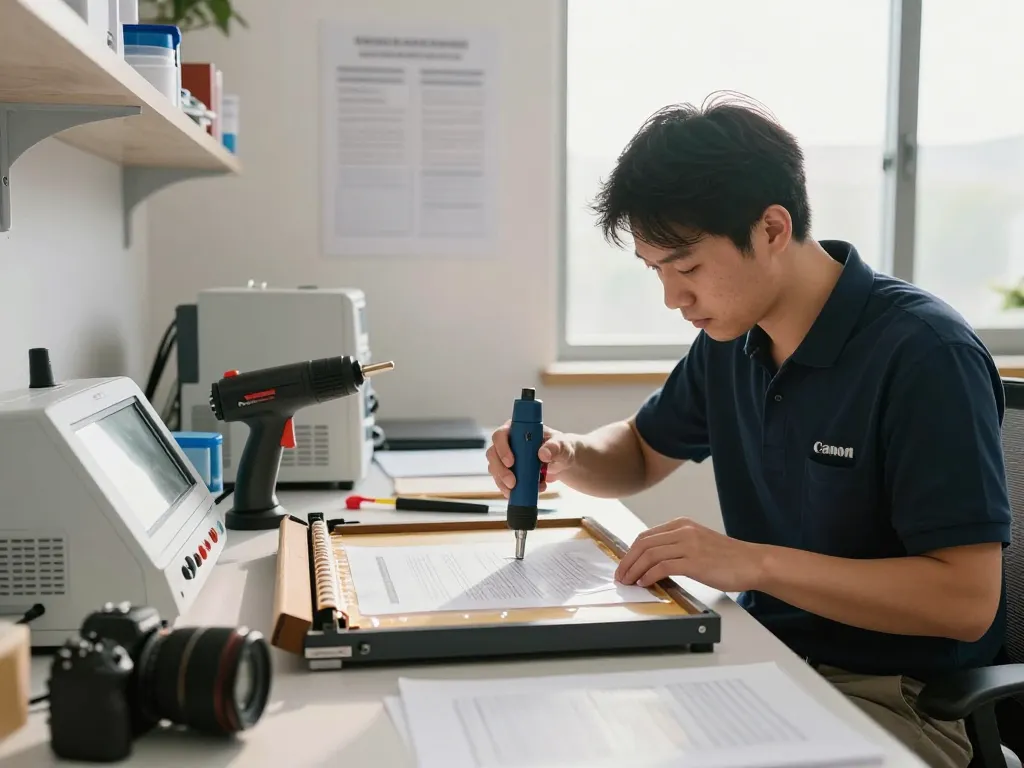
Understanding Plastic Lamination and Its Challenges
Plastic lamination has become a widely adopted method for preserving documents, photos, and important papers. Many individuals and businesses utilize this technique to protect their materials from wear and tear, moisture, and other potential damages. However, as time passes, these laminated items may need to be restored or unlaminated, which poses significant challenges. This article will delve into the intricacies of gỡ ép plastic hà nội, exploring effective methods, potential issues, and best practices for ensuring your documents remain intact during the removal process.
What is Plastic Lamination?
Plastic lamination is the process of encasing documents in a thin layer of plastic film, providing a protective barrier against physical damage and moisture. This technique involves applying heat and pressure to fuse the plastic film to the document using a lamination machine. While lamination offers several benefits, such as enhanced durability and resistance to fading, it can also introduce complications when individuals seek to remove the protective layer.
Common Issues Faced When Removing Plastic
When attempting to remove laminated layers, individuals may encounter various issues, including:
- Document Damage: Improper removal techniques can lead to tears, smudging, or loss of critical information.
- Adhesive Residue: The adhesive used to bond the laminated layers may remain on the document, making it difficult to restore the original condition.
- Color Fading: Exposure to heat or solvents during the removal process can cause the ink to fade or blur.
Misconceptions About Heat and Adhesives
One of the most common misconceptions is that heat can always be safely applied to remove the plastic layer. While heat can soften the adhesive, it can also permanently damage the document, especially if the plastic has deteriorated over time. Understanding the science behind the adhesives used and their reactions to heat is crucial for successful removal.
Methods for gỡ ép plastic hà nội
There are two predominant methods for removing plastic lamination that are frequently employed for various types of documents: using heat and utilizing non-force technologies. When exploring options, gỡ ép plastic hà nội provides comprehensive insights on these methods.
Using Heat Safely and Effectively
Many people first consider using heat to remove lamination due to its perceived simplicity. Common practices include using hairdryers, irons, or steam to soften the adhesive. However, these methods carry risks:
- Inconsistent Heat: Applying heat unevenly can lead to sections of the document being damaged while others remain intact.
- Bonding of Adhesives: Over time, adhesives can harden and change properties, making them less responsive to heat, resulting in potential damage.
It is essential to control heat exposure and to carefully monitor the process to minimize risks.
Innovative Technology Solutions
Advancements in technology have led to the development of safer methods for removing plastic lamination without physical stress. Techniques that utilize chemical processes or vacuum methods have shown promise in preserving documents while effectively removing lamination. These methods often involve:
- Precision Application: Specialized equipment is designed to target the adhesive without affecting the document material.
- Reduced Risk: These technologies minimize the chances of damaging the document, ensuring that text clarity remains intact.
Comparative Analysis of Methods: Pros and Cons
When evaluating the methods for removing plastic lamination, each approach presents its advantages and drawbacks:
| Method | Pros | Cons |
|---|---|---|
| Heat Application | Widely accessible, inexpensive | Risk of document damage, time-consuming |
| Innovative Technologies | Safer, high success rate | Potentially higher cost, availability issues |
Best Practices for Preserving Document Integrity
Regardless of the method chosen, several best practices can help ensure the integrity of documents during the removal process. Following these guidelines can minimize risks and enhance outcomes.
Preventing Document Damage During Removal
- Assess the Material: Understand the type of paper and ink used in the document to choose the appropriate removal method.
- Monitor Temperature: If using heat, ensure you constantly monitor the temperature to avoid overheating.
- Use Protective Layers: Consider placing a barrier between the heat source and the document to further protect it from direct heat exposure.
Importance of Professional Services
For individuals dealing with valuable or irreplaceable documents, seeking professional services for gỡ ép plastic hà nội is often the best course of action. Professionals possess the expertise and equipment necessary to effectively remove lamination while preserving document integrity. Their experience reduces the risk of costly mistakes that can arise during DIY attempts.
Tips for DIY: Safe Procedures to Follow
If professional help is not an option, individuals attempting DIY removal should adhere to the following recommendations:
- Test on Non-Critical Items: Practice on less important documents to hone your skills.
- Use a Controlled Environment: Conduct the removal in a clean, controlled space to avoid dust and debris.
- Have a Backup Plan: Be prepared for potential mishaps by having materials ready for document repair or restoration.
Case Studies and Real-World Applications
This section explores various case studies and testimonies illustrating the successes and challenges encountered when restoring laminated documents.
Successful Document Restorations
Numerous instances showcase the effectiveness of proper techniques in document restoration. For example, a local educational institution managed to restore valuable diplomas using non-force technology, preserving the integrity of the original text.
Customer Testimonials and Experiences
Client feedback often highlights the importance of professional services in preserving document integrity. Testimonials from satisfied customers affirm the advantages of seeking specialized services, emphasizing the quality of work and the professionalism of the staff.
Lessons Learned from Failed Attempts
Learning from others’ mistakes is crucial in this field. Many clients report negative experiences arising from insufficient knowledge of removal techniques, which ultimately led to damaged documents. These accounts stress the importance of research and caution in choosing methods.
Future Trends in Document Preservation Technology
The landscape of document preservation and lamination removal is constantly evolving, driven by technological advancements and industry needs.
Emerging Technologies in Lamination Removal
Innovations are anticipated in technologies designed for safer and more effective lamination removal. Developments may include automated systems that utilize artificial intelligence to assess document conditions and determine the best removal strategy, significantly reducing human error.
Impact of User Education on Preservation Practices
Awareness and understanding of proper preservation techniques are critical in fostering effective practices among users. Educational initiatives targeted at document owners can significantly enhance the ability to maintain integrity and avoid damage during removal.
Predictions for 2026 and Beyond
As technology continues to advance, we can expect even more refined methods for document preservation and removal, leading to improved outcomes and broader accessibility to professional services.
What to Expect from Service Providers
Future service providers are likely to offer comprehensive solutions that incorporate cutting-edge technology alongside expertise. Clients should anticipate not only professional service but also educational resources to garner a deeper understanding of preservation practices.