
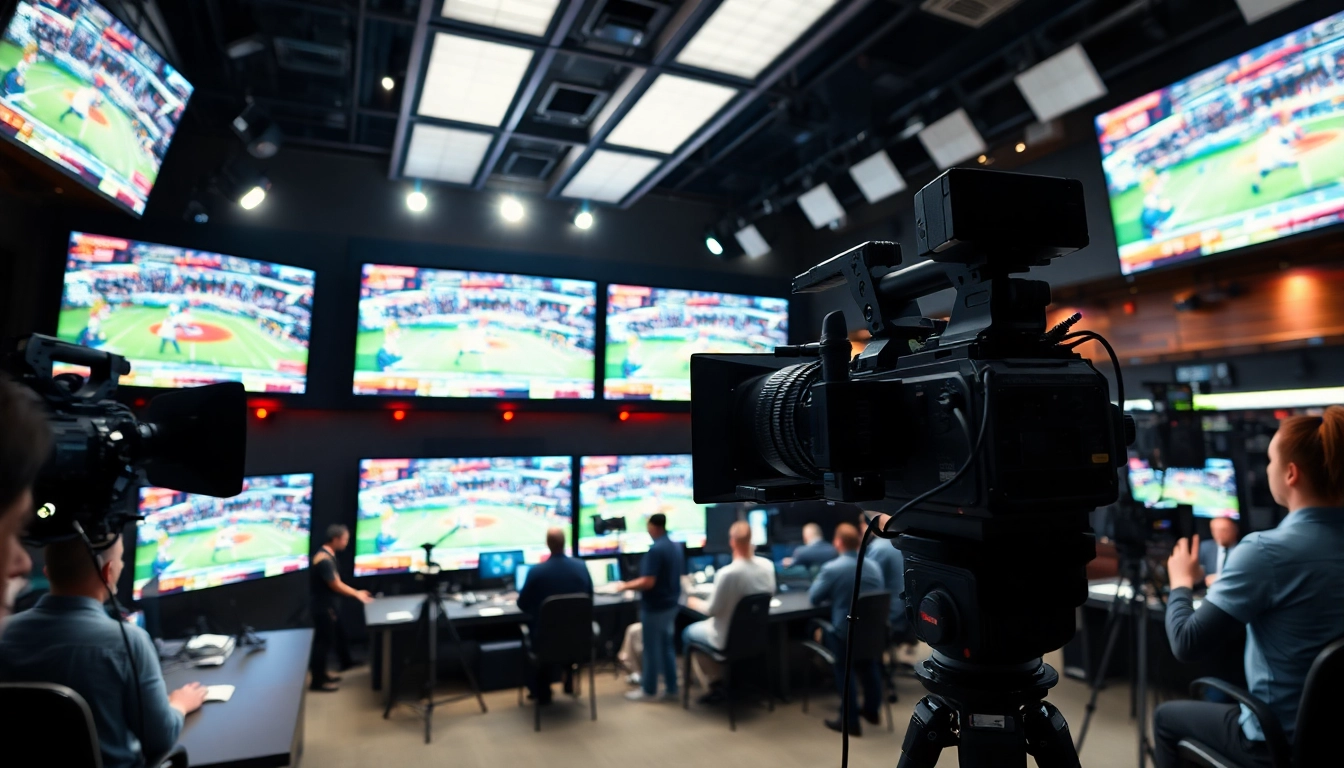
Understanding Sports Broadcasting
What is Sports Broadcasting?
Sports Broadcasting refers to the dissemination of sports events through various media channels including television, radio, and online platforms. It encompasses live coverage, commentary, analysis, and post-event discussions, aiming to deliver the excitement of sports to a wide audience. The evolution of technology has drastically altered how people experience sports, allowing for immersive and real-time engagement. In today’s digital age, the role of Sports Broadcasting is pivotal in shaping spectators' perceptions and interactions with their favorite teams and athletes.
History and Evolution
The journey of sports broadcasting began with radio in the early 20th century, where play-by-play announcements sparked the imagination of listeners. In the 1930s, television emerged, transforming the landscape by enabling viewers to witness events visually. The introduction of color broadcasts in the 1960s further enriched viewer experiences. Over the years, advancements such as satellite technology, cable networks, and the rise of the internet have made sports more accessible. Today, streaming services and social media platforms continue to innovate, making sports broadcasting an ever-evolving field.
The Importance of Sports Broadcasting
Sports broadcasting serves multiple significant functions. It not only provides entertainment but also educates audiences about the rules, history, and intricacies of various sports. Furthermore, it plays a critical role in sports promotion, increasing visibility and fan engagement. Through compelling storytelling and real-time updates, sports broadcasters can enhance the emotional connection fans have with their teams, contributing to the overall growth of sports culture.
Key Components of Sports Broadcasting
Broadcasting Technologies
Modern sports broadcasting relies on a plethora of technologies to deliver high-quality content. Cameras of various types, from static broadcast cameras to drones and handhelds, capture the action from multiple angles. Additionally, broadcasting software facilitates smooth transitions, overlays graphics, and provides instant replays. Moreover, communication tools are crucial for coordination among production teams to ensure seamless execution during live events. Innovation in technology continues to push the limits, with virtual reality and augmented reality becoming more prevalent.
Roles in the Production Team
Each member of a sports broadcasting team plays an integral role in the production process. Broadcasters, commentators, and analysts bring the story of the game to life through engaging narrative styles. Producers coordinate logistics, overseeing technical aspects that support the presentation. Camera operators focus on capturing the action, while graphics specialists enhance broadcasts with real-time statistics and animations. Each role is vital in creating a cohesive viewing experience that resonates with the audience.
Live vs. Recorded Coverage
Live coverage presents unique challenges and opportunities. It necessitates immediate reactions and real-time decision-making, creating tension but also a genuine and thrilling atmosphere. Recorded coverage allows for edits that can enhance storytelling through careful pacing and selective highlights. Both forms have their strengths; live broadcasts deliver spontaneity, while recorded shows can offer polished narratives. Understanding the context and audience preference influences the choice between the two.
Best Practices for Effective Sports Broadcasting
Preparing for Live Events
Effective sports broadcasting begins long before the cameras start rolling. Preparation involves thorough research on the teams and players, understanding potential storylines, and anticipating viewer interests. Developing detailed run sheets that outline the broadcast flow can help maintain organization during live events. Rehearsals with technical teams ensure that everyone is familiar with their roles and the equipment, reducing the risk of errors during the actual event.
Engaging the Audience
Enhancing audience engagement is imperative for modern sports broadcasters. Utilizing social media platforms allows for real-time interaction, polls, and feedback. Broadcasters can create immersive experiences by incorporating augmented reality elements, providing statistical visuals, and encouraging fans to share their reactions. Creating a personalized experience tailored to audience preferences can significantly drive viewership and cultivate loyalty among fans.
Analytics and Feedback Loop
Analytics play a crucial role in refining broadcasting strategies. Monitoring viewer engagement metrics, such as viewership numbers and audience demographics, helps broadcasters to understand what content resonates with viewers. Incorporating viewer feedback into the production cycle can inform future broadcasts, enabling teams to adapt and improve continually. This iterative approach not only enhances content quality but also fosters a stronger connection with the audience.
Challenges in Sports Broadcasting
Technical Difficulties
Technical issues such as equipment malfunctions, transmission failures, or connectivity problems can disrupt broadcasts. To mitigate these risks, broadcasters should have contingency plans in place and conduct thorough technical checks prior to the event. Regular training for the technical crew and investments in reliable equipment can help reduce the likelihood of issues during live events.
Regulatory Compliance
Sports broadcasters must adhere to various regulations concerning content rights, advertising, and broadcasting standards. Navigating these legal landscapes can be challenging, especially for those working with multiple jurisdictions. Staying informed about industry regulations and working closely with legal teams can help ensure compliance while allowing broadcasters to focus on content quality.
Managing Viewer Expectations
Viewers today have high expectations for quality and accessibility in sports broadcasts. Technological advancements have set a standard for seamless streaming, high definition viewing, and interactive elements. To meet these expectations, broadcasters must continuously innovate and be proactive in addressing viewer feedback. Clear communication about potential delays or changes during live events can also help manage audience anticipation.
The Future of Sports Broadcasting
Emerging Technologies
As technology evolves, so does the potential for innovative broadcasting methods. High-definition video, 360-degree cameras, and virtual reality experiences are poised to revolutionize how fans interact with sports content. Enhanced analytics powered by artificial intelligence can provide deeper insights and personalized viewing experiences. Embracing these emerging technologies will be crucial for broadcasters seeking to stay ahead of the competition.
Changing Viewer Habits
With the rise of mobile streaming and on-demand content, viewer habits are shifting dramatically. Audiences are increasingly favoring flexibility and convenience over traditional viewing schedules. This shift has prompted broadcasters to explore alternate scheduling options, including exclusive live streaming of events on platforms that cater to on-the-go audiences. Adapting to these changes ensures broadcasters remain relevant and engaging in a competitive landscape.
Innovative Broadcast Strategies
The future will likely see a blend of traditional and new media strategies in sports broadcasting. Collaborations with influencers, partnerships with digital platforms, and interactive content will enhance viewer experiences. Broadcasters should focus on creating unique narratives that cater to the interests of a diverse audience while leveraging data to shape programming decisions. This strategic evolution will be pivotal in retaining and growing viewership in the coming years.
Frequently Asked Questions
What does sports broadcasting involve?
Sports broadcasting includes live coverage, commentary, and analysis of sports events, utilizing various media platforms.
How has sports broadcasting evolved?
It has transitioned from radio and television to include streaming services and social media, adapting to viewer preferences.
What technologies are essential in sports broadcasting?
Essential technologies include cameras, broadcasting software, graphics systems, and communication tools for the production team.
What are common challenges faced in sports broadcasting?
Challenges include technical issues, tight schedules, and balancing live coverage with production quality expectations.
How is audience engagement achieved in sports broadcasting?
Engagement can be enhanced through interactive content, social media integration, and real-time updates during broadcasts.