
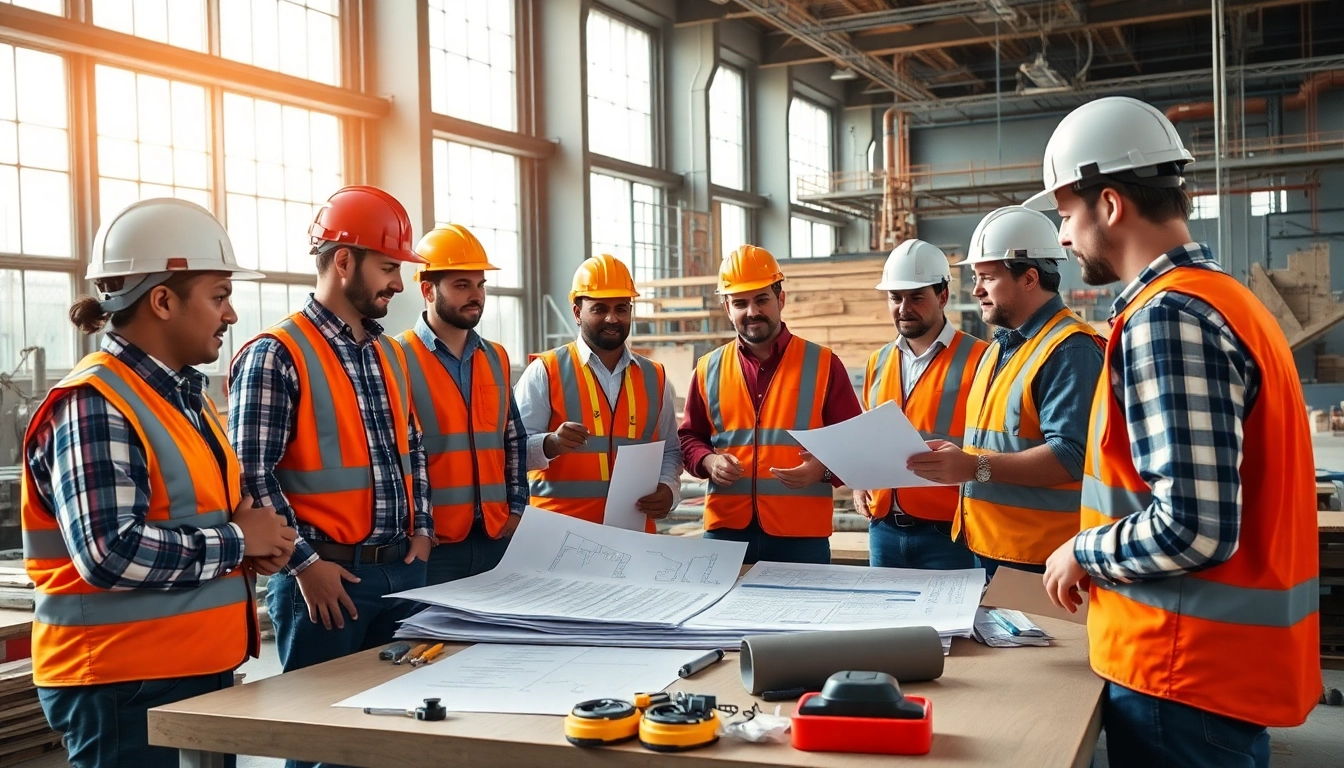
Introduction to Construction Safety Programs
Construction sites can be hazardous environments, raising significant safety concerns that can lead to severe injuries and fatalities if not managed properly. Therefore, the implementation of effective construction safety programs is essential in facilitating safer work conditions. These programs serve not only to comply with regulations but also to foster a culture of safety among workers, ensuring their well-being and enhancing productivity on-site.
Importance of Safety in Construction
The construction industry is notorious for its high rate of accidents. According to the Occupational Safety and Health Administration (OSHA), construction is one of the most dangerous occupations, with countless incidents resulting in injuries or even fatalities every year. The importance of safety in this field cannot be understated; prioritizing safety reduces work-related injuries, minimizes downtime, and fosters a more engaged workforce. Effective safety measures can also lead to financial savings by reducing liability costs and insurance premiums.
Core Components of Effective Programs
Effective construction safety programs are comprehensive and cover a range of components. These typically include risk assessments, safety training, emergency preparedness, equipment safety protocols, and regular evaluations of safety measures. Establishing a clear set of procedures and expectations helps ensure that all workers are aware of their roles in maintaining a safe workplace. Additionally, leadership commitment to these programs is critical; management must actively engage in safety initiatives and provide the necessary resources for proper implementation.
Regulatory Framework Overview
The regulatory environment related to construction safety is robust, primarily enforced by OSHA and various local authorities. Compliance with these regulations is not optional; it is a legal requirement that can significantly impact a company’s operations and reputation. Familiarity with relevant regulations is essential for creating effective safety programs. Companies must regularly update their safety strategies to reflect any changes in laws and standards, ensuring all practices are compliant to minimize legal risks.
Identifying Risks and Hazards
Common Construction Site Hazards
Common hazards on construction sites include falls, electrocutions, being struck by objects, and caught-in/between incidents. Each hazard can lead to severe injury and must be addressed promptly. For instance, falls from heights are particularly prevalent; therefore, fall protection measures such as guardrails and safety harnesses should be standard practice. Recognizing these hazards is the first step in mitigating risks effectively.
Methods for Risk Assessment
Conducting a risk assessment is fundamental to identifying potential hazards in construction. This process involves periodic inspections of the site, analyzing past incident reports, and engaging workers in discussions about their safety concerns. Techniques such as the Job Safety Analysis (JSA) can help teams systematically break down tasks to identify possible hazards, thereby allowing for proactive measures to mitigate those risks before work begins.
Tailoring Programs to Specific Projects
No two construction projects are alike, and neither should their safety programs be. Tailoring construction safety programs to fit the specific requirements of each project is vital. Factors such as location, type of construction, and workforce demographics can influence risk levels and safety strategies. Consulting with project managers and site workers during the planning stages ensures that the unique conditions of each project are adequately considered and addressed in safety protocols.
Training and Awareness for Workers
Best Practices for Safety Training
Training is a cornerstone of any safety program. All workers, regardless of experience, should undergo comprehensive safety training before starting on-site work. Best practices include both classroom instruction and hands-on training. Utilizing trainers with real-world experience fosters a deeper understanding of safety principles and reinforces the importance of adhering to protocols. Additionally, refresher courses should be scheduled regularly to keep teams informed about current safety practices and company requirements.
Innovative Training Tools and Methods
In recent years, innovative training tools such as virtual reality (VR) and augmented reality (AR) have emerged as effective methods for safety education. These tools create immersive experiences that simulate real-life scenarios without the associated risks, allowing workers to practice safety measures in a controlled environment. Additionally, mobile apps can facilitate ongoing learning through gamification, quizzes, and field reporting functionalities, enhancing retention and application of safety knowledge.
Creating a Culture of Safety
Beyond training, creating a culture of safety is crucial for a successful construction safety program. This involves promoting open communication where workers feel empowered to report hazards without fear of repercussions. Encouraging teamwork and peer-to-peer observations can strengthen community responsibility for safety. Celebrating safety milestones and recognizing individual contributions towards maintaining a safe environment can also enhance morale and engagement.
Monitoring and Compliance
Implementing Regular Safety Audits
Regular safety audits are vital to the continuous improvement of construction safety programs. These audits should be scheduled at predetermined intervals and should include thorough examinations of all safety measures, procedures, and compliance with relevant regulations. Engaging third-party evaluators can provide an objective perspective and highlight areas needing improvement. Following an audit, it is crucial to address any identified shortcomings promptly to maintain high safety standards.
Compliance with Local and Federal Regulations
Compliance with both local and federal regulations is non-negotiable in construction safety. Companies must stay informed about the latest changes to regulations and ensure all employees are adequately trained on these rules. Regular compliance checks and updates to training programs help mitigate risks associated with regulatory non-compliance, which can include hefty fines and increased liabilities.
Analyzing Incident Reports for Improvement
Incident reports are invaluable tools for identifying areas for improvement in construction safety programs. Analyzing these reports helps uncover patterns that may suggest underlying issues with the existing safety protocols. By thoroughly investigating the causes of incidents, organizations can develop targeted strategies to prevent similar occurrences in the future. Sharing findings with the workforce also serves as a key learning tool for improving overall safety awareness.
Continuous Improvement of Safety Programs
Gathering Feedback from Workers
Worker feedback is essential to enhancing safety initiatives. Regular discussions, surveys, and suggestion boxes can provide insight into potential safety lapses and encourage employees to take an active role in refining safety practices. Understanding the frontline experiences of workers allows management to make informed adjustments to safety programs, ensuring they remain relevant and effective in changing environments.
Adapting to New Technologies
The construction industry is rapidly evolving with the integration of new technologies like drones, wearables, and AI-driven analytics. Adapting safety programs to incorporate these technologies can significantly enhance compliance and risk management. For instance, drones can help in site inspections, identifying safety hazards that human inspectors might miss. Meanwhile, wearable devices can monitor fatigue and stress levels among workers, proactively addressing issues before they lead to incidents.
Case Studies of Successful Programs
Examining case studies of successful construction safety programs can offer valuable insights and inspiration. For example, companies that have implemented peer-to-peer safety programs have reported reductions in incident rates by fostering a collaborative environment. These programs often utilize a buddy system, allowing experienced workers to mentor new employees. Analyzing these approaches can provide organizations with frameworks to enhance their existing safety strategies significantly.
Frequently Asked Questions
What are the primary goals of construction safety programs?
Construction safety programs aim to prevent accidents and injuries, ensure regulatory compliance, and create a culture of safety among workers, ultimately leading to increased productivity and reduced costs.
How often should safety training be conducted?
Safety training should be conducted at least once a year, with additional refreshers and updates as needed based on changes in regulations or project specifics.
What are common hazards on construction sites?
Common hazards include falls, electrocutions, getting struck by objects, and being caught in/between equipment or materials. Effective identification and management are crucial.
Why are safety audits important?
Safety audits help identify weaknesses in safety protocols, ensure compliance, and promote continuous improvement within construction safety programs, leading to enhanced worker protection.
How can worker feedback be integrated into safety programs?
Worker feedback can be collected through surveys, discussions, and suggestion boxes, allowing management to make informed adjustments to safety policies based on real experiences on the front lines.