Showcase of fiberglass mats featuring various textures and colors on a workshop table.

Essential Insights into Fiberglass Mats: Types, Applications, and Advantages

Understanding Fiberglass Mats

What are Fiberglass Mats?

Fiberglass mats are composite materials made from glass fibers that are woven or layered together to create a flexible, durable fabric. Primarily used in a variety of industrial applications, fiberglass mats offer unique properties that cater to structural needs across different sectors. Their lightweight nature, combined with resilience and thermal resistance, makes them an essential material in construction, automotive manufacturing, and a variety of other industries. The effectiveness of fiberglass mats is particularly notable due to their ability to withstand harsh environmental conditions, making them suitable for both indoor and outdoor applications.

Key Components of Fiberglass Mats

The primary components of fiberglass mats include glass fibers and resin systems. Glass fibers can be either continuous or chopped strands, contributing to the composite’s mechanical properties. Various types of resins, such as polyester, vinyl ester, and epoxy, are utilized to bond the fibers together, enhancing durability and performance. The quality of these materials directly influences the mat’s strength, flexibility, and resistance to moisture or chemicals. Fiberglass mats can also be treated with additives for enhanced fire, UV, or corrosion resistance, further improving their performance in demanding applications.

Types of Fiberglass Mats Available

There are several types of fiberglass mats, each designed for specific applications:

  • Chopped Strand Mat (CSM): Known for its versatility, CSM is comprised of randomly arranged glass strands, making it ideal for use in various resin types.
  • Woven Roving: These are made from woven glass fibers, offering enhanced strength and used primarily for applications where high tensile strength is needed.
  • Continuous Filament Mat: This type offers superior smoothness and is typically used in applications requiring a high surface finish.
  • Strand Mats: Combining continuous fibers and chopped strands, these mats give improved rigidity while maintaining flexibility.
  • Surface Mats: Used to enhance the aesthetics and provide a smooth finish for visible surfaces, surface mats are often incorporated in the final layers of composite structures.

Applications of Fiberglass Mats

Construction and Building Industry

In the construction sector, fiberglass mats are integral to reinforcing various structures, including roofs, walls, and flooring systems. Their lightweight nature reduces the overall load on buildings while still offering high strength. Fiberglass mats are often used in composite panels for insulation, providing excellent thermal and sound insulating properties. Additionally, they resist moisture, thereby minimizing the risk of mold growth and other issues common in construction environments.

Automotive Sector Usage

Fiberglass mats are critical in the automotive industry, where they are utilized in manufacturing panels, hoods, and other components. The use of fiberglass in vehicle designs allows for lighter structures without sacrificing strength, leading to improved fuel efficiency. These mats can also be molded into complex shapes, making them valuable for modern automotive designs that require aerodynamics and aesthetic appeal.

Aerospace and Marine Applications

In aerospace, the lightweight and strong characteristics of fiberglass mats are essential for crafting aircraft components that meet rigorous safety and performance standards. Similarly, in marine applications, fiberglass mats provide buoyancy and resistance to seawater, making them an ideal choice for hulls and decks of boats and ships. The resilience of fiberglass mats against harsh conditions ensures long-lasting performance in both industries.

Advantages of Using Fiberglass Mats

Durability and Longevity

The durability of fiberglass mats is one of their most significant advantages. They are designed to withstand extreme conditions, including moisture, heat, and acids, making them suitable for a variety of applications. With proper installation and maintenance, fiberglass mats can provide long-term solutions, reducing the need for frequent replacements and repairs.

Lightweight and Strong Characteristics

Despite their strength, fiberglass mats are remarkably lightweight, which is a crucial factor in many industries. This characteristic allows manufacturers to design products that require less material without compromising performance. In automotive applications, reducing weight can lead to significant improvements in fuel efficiency.

Cost-Effectiveness in Projects

Using fiberglass mats can lead to considerable cost savings over time. Their longevity and low maintenance requirements mean that projects incur lower lifecycle costs. Additionally, the versatility and ease of handling fiberglass mats can reduce labor costs during installation. As projects demand higher efficiency, the use of fiberglass mats becomes a financially sound decision.

Installation Techniques for Fiberglass Mats

Surface Preparation Guidelines

Proper surface preparation is critical for the successful installation of fiberglass mats. Surfaces must be clean, dry, and free of contaminants such as dust, grease, or oils. This can be achieved through sanding, cleaning with solvents, or using specialized cleaners. Ensuring that surfaces are adequately prepared allows for better adhesion and prevents future issues related to adhesion failure.

Adhesive Application Methods

Applying the right adhesive is essential for securing fiberglass mats effectively. Depending on the application and environmental conditions, adhesives can vary in type and composition. Generally, a roller or brush can be used to apply the adhesive evenly to the surface. Following manufacturer instructions regarding the amount and application method will help ensure optimal performance.

Best Practices for Seam Sealing

Seam sealing is crucial for ensuring that the fiberglass mats function as intended. Proper sealing prevents moisture penetration, which can lead to degradation over time. It is recommended to use high-quality sealants specifically designed for fiberglass applications. When sealing seams, ensure that the edges of the mats are properly overlapped, and apply sealant generously to create a continuous barrier.

Frequently Asked Questions about Fiberglass Mats

What are the benefits of fiberglass mats?

Fiberglass mats offer durability, lightweight strength, resistance to moisture and chemicals, and long-lasting performance. Their versatile applications make them economically beneficial across various industries.

Can fiberglass mats be used outdoors?

Yes, fiberglass mats are suitable for outdoor use. They exhibit excellent resistance to UV exposure and moisture, making them an ideal choice for outdoor construction and marine applications.

How do you cut fiberglass mats?

Fiberglass mats can be cut using scissors or a utility knife. Ensure you wear protective gear to avoid skin irritation and use a straight edge as a guide for clean cuts.

Are fiberglass mats eco-friendly?

While fiberglass mats are not biodegradable, they are recyclable. Manufacturers are working on improving eco-friendly processes, and their longevity contributes positively to waste reduction.

What maintenance is required for fiberglass mats?

Fiberglass mats require minimal maintenance. Regular inspections for wear, cleaning surfaces, and applying sealants as needed will help extend their life and functionality.


Understanding construction safety programs with professionals collaborating in an industrial environment.

Effective Strategies for Implementing Construction Safety Programs

Introduction to Construction Safety Programs

Construction sites can be hazardous environments, raising significant safety concerns that can lead to severe injuries and fatalities if not managed properly. Therefore, the implementation of effective construction safety programs is essential in facilitating safer work conditions. These programs serve not only to comply with regulations but also to foster a culture of safety among workers, ensuring their well-being and enhancing productivity on-site.

Importance of Safety in Construction

The construction industry is notorious for its high rate of accidents. According to the Occupational Safety and Health Administration (OSHA), construction is one of the most dangerous occupations, with countless incidents resulting in injuries or even fatalities every year. The importance of safety in this field cannot be understated; prioritizing safety reduces work-related injuries, minimizes downtime, and fosters a more engaged workforce. Effective safety measures can also lead to financial savings by reducing liability costs and insurance premiums.

Core Components of Effective Programs

Effective construction safety programs are comprehensive and cover a range of components. These typically include risk assessments, safety training, emergency preparedness, equipment safety protocols, and regular evaluations of safety measures. Establishing a clear set of procedures and expectations helps ensure that all workers are aware of their roles in maintaining a safe workplace. Additionally, leadership commitment to these programs is critical; management must actively engage in safety initiatives and provide the necessary resources for proper implementation.

Regulatory Framework Overview

The regulatory environment related to construction safety is robust, primarily enforced by OSHA and various local authorities. Compliance with these regulations is not optional; it is a legal requirement that can significantly impact a company’s operations and reputation. Familiarity with relevant regulations is essential for creating effective safety programs. Companies must regularly update their safety strategies to reflect any changes in laws and standards, ensuring all practices are compliant to minimize legal risks.

Identifying Risks and Hazards

Common Construction Site Hazards

Common hazards on construction sites include falls, electrocutions, being struck by objects, and caught-in/between incidents. Each hazard can lead to severe injury and must be addressed promptly. For instance, falls from heights are particularly prevalent; therefore, fall protection measures such as guardrails and safety harnesses should be standard practice. Recognizing these hazards is the first step in mitigating risks effectively.

Methods for Risk Assessment

Conducting a risk assessment is fundamental to identifying potential hazards in construction. This process involves periodic inspections of the site, analyzing past incident reports, and engaging workers in discussions about their safety concerns. Techniques such as the Job Safety Analysis (JSA) can help teams systematically break down tasks to identify possible hazards, thereby allowing for proactive measures to mitigate those risks before work begins.

Tailoring Programs to Specific Projects

No two construction projects are alike, and neither should their safety programs be. Tailoring construction safety programs to fit the specific requirements of each project is vital. Factors such as location, type of construction, and workforce demographics can influence risk levels and safety strategies. Consulting with project managers and site workers during the planning stages ensures that the unique conditions of each project are adequately considered and addressed in safety protocols.

Training and Awareness for Workers

Best Practices for Safety Training

Training is a cornerstone of any safety program. All workers, regardless of experience, should undergo comprehensive safety training before starting on-site work. Best practices include both classroom instruction and hands-on training. Utilizing trainers with real-world experience fosters a deeper understanding of safety principles and reinforces the importance of adhering to protocols. Additionally, refresher courses should be scheduled regularly to keep teams informed about current safety practices and company requirements.

Innovative Training Tools and Methods

In recent years, innovative training tools such as virtual reality (VR) and augmented reality (AR) have emerged as effective methods for safety education. These tools create immersive experiences that simulate real-life scenarios without the associated risks, allowing workers to practice safety measures in a controlled environment. Additionally, mobile apps can facilitate ongoing learning through gamification, quizzes, and field reporting functionalities, enhancing retention and application of safety knowledge.

Creating a Culture of Safety

Beyond training, creating a culture of safety is crucial for a successful construction safety program. This involves promoting open communication where workers feel empowered to report hazards without fear of repercussions. Encouraging teamwork and peer-to-peer observations can strengthen community responsibility for safety. Celebrating safety milestones and recognizing individual contributions towards maintaining a safe environment can also enhance morale and engagement.

Monitoring and Compliance

Implementing Regular Safety Audits

Regular safety audits are vital to the continuous improvement of construction safety programs. These audits should be scheduled at predetermined intervals and should include thorough examinations of all safety measures, procedures, and compliance with relevant regulations. Engaging third-party evaluators can provide an objective perspective and highlight areas needing improvement. Following an audit, it is crucial to address any identified shortcomings promptly to maintain high safety standards.

Compliance with Local and Federal Regulations

Compliance with both local and federal regulations is non-negotiable in construction safety. Companies must stay informed about the latest changes to regulations and ensure all employees are adequately trained on these rules. Regular compliance checks and updates to training programs help mitigate risks associated with regulatory non-compliance, which can include hefty fines and increased liabilities.

Analyzing Incident Reports for Improvement

Incident reports are invaluable tools for identifying areas for improvement in construction safety programs. Analyzing these reports helps uncover patterns that may suggest underlying issues with the existing safety protocols. By thoroughly investigating the causes of incidents, organizations can develop targeted strategies to prevent similar occurrences in the future. Sharing findings with the workforce also serves as a key learning tool for improving overall safety awareness.

Continuous Improvement of Safety Programs

Gathering Feedback from Workers

Worker feedback is essential to enhancing safety initiatives. Regular discussions, surveys, and suggestion boxes can provide insight into potential safety lapses and encourage employees to take an active role in refining safety practices. Understanding the frontline experiences of workers allows management to make informed adjustments to safety programs, ensuring they remain relevant and effective in changing environments.

Adapting to New Technologies

The construction industry is rapidly evolving with the integration of new technologies like drones, wearables, and AI-driven analytics. Adapting safety programs to incorporate these technologies can significantly enhance compliance and risk management. For instance, drones can help in site inspections, identifying safety hazards that human inspectors might miss. Meanwhile, wearable devices can monitor fatigue and stress levels among workers, proactively addressing issues before they lead to incidents.

Case Studies of Successful Programs

Examining case studies of successful construction safety programs can offer valuable insights and inspiration. For example, companies that have implemented peer-to-peer safety programs have reported reductions in incident rates by fostering a collaborative environment. These programs often utilize a buddy system, allowing experienced workers to mentor new employees. Analyzing these approaches can provide organizations with frameworks to enhance their existing safety strategies significantly.

Frequently Asked Questions

What are the primary goals of construction safety programs?

Construction safety programs aim to prevent accidents and injuries, ensure regulatory compliance, and create a culture of safety among workers, ultimately leading to increased productivity and reduced costs.

How often should safety training be conducted?

Safety training should be conducted at least once a year, with additional refreshers and updates as needed based on changes in regulations or project specifics.

What are common hazards on construction sites?

Common hazards include falls, electrocutions, getting struck by objects, and being caught in/between equipment or materials. Effective identification and management are crucial.

Why are safety audits important?

Safety audits help identify weaknesses in safety protocols, ensure compliance, and promote continuous improvement within construction safety programs, leading to enhanced worker protection.

How can worker feedback be integrated into safety programs?

Worker feedback can be collected through surveys, discussions, and suggestion boxes, allowing management to make informed adjustments to safety policies based on real experiences on the front lines.

Heavy Industry and Engineering

Advancements in Heavy Industry: Engineering for the Future

Fundamentals of Heavy Industry

Heavy industry forms the backbone of modern economies, playing a pivotal role in the production and manufacturing of goods that are essential for daily life and technological advancement. This sector encompasses a broad range of activities, from the extraction of raw materials to the production of heavy machinery and infrastructure development. Understanding the fundamentals of heavy industry is crucial for professionals, students, and stakeholders involved in engineering and manufacturing.

Definition and Scope of Heavy Industry

Heavy industry refers to the large-scale manufacturing processes that involve the transformation of raw materials into finished products, typically using significant amounts of energy and resources. This sector includes industries such as steel manufacturing, shipbuilding, automotive, aerospace, construction, and mining. The scope of heavy industry is considerable, impacting various sectors including defense, transportation, and energy. Heavy industry is characterized by:

  • High capital investment: Businesses in this sector often require substantial financial resources to establish and maintain operations.
  • Large-scale operations: Heavy industries typically produce goods in bulk, necessitating extensive facilities and workforce.
  • Complex supply chains: The nature of operations often involves intricate logistics and supply chains to manage raw materials and distribution.

Key Sectors and Their Contributions

Several sectors fall under the umbrella of heavy industry, each contributing uniquely to the economy. Below are a few key sectors and their contributions:

  • Steel Industry: Vital for construction and manufacturing, the steel industry contributes billions to the global GDP and employs millions worldwide. For example, in 2021, the global crude steel production was approximately 1.95 billion metric tons.
  • Shipbuilding: This sector is essential for global trade, as over 90% of the world’s goods are transported by sea. Major shipbuilding nations include South Korea, China, and Japan, which dominate the market.
  • Aerospace: With a focus on innovation and safety, the aerospace sector is crucial for transportation and defense, contributing significantly to national economies through job creation and technological advancements.
  • Mining: The extraction of minerals and resources is foundational for other industries, providing essential raw materials such as coal, copper, and iron ore.

Challenges Faced by Heavy Industry

Despite its contributions, heavy industry faces numerous challenges that can hinder growth and sustainability. Key challenges include:

  • Regulatory Compliance: Adhering to environmental and safety regulations can be complex and costly, impacting operational efficiency.
  • Technological Advancements: Keeping pace with rapid technological changes can be a challenge, requiring continuous investment in new technologies and training.
  • Labor Shortages: The sector often struggles with attracting and retaining skilled labor, exacerbated by an aging workforce.
  • Market Volatility: Fluctuations in demand and raw material prices can significantly affect profitability and operational stability.

Engineering Principles in Heavy Industry

The success of heavy industry is grounded in a variety of engineering principles. These principles govern the design, construction, and operation of industrial systems and structures, ensuring efficiency, safety, and sustainability.

Core Engineering Disciplines Applied

Heavy industry incorporates several core engineering disciplines, each contributing to the sector’s overall functionality:

  • Civil Engineering: Essential for infrastructure development, civil engineers design and construct buildings, bridges, and other structures that support industrial operations.
  • Mechanical Engineering: Focused on the design and manufacturing of machinery, mechanical engineers play a vital role in improving productivity and efficiency in manufacturing processes.
  • Chemical Engineering: Chemical engineers are crucial in processes involving the transformation of raw materials, particularly in industries such as petrochemicals and pharmaceuticals.
  • Electrical Engineering: This discipline ensures that machinery and equipment operate smoothly, involving power supply, automation, and control systems.

Materials Science and Its Importance

Materials science is a fundamental aspect of heavy industry, influencing the selection and application of materials used in manufacturing. Understanding the properties and behaviors of materials is essential for optimizing performance and durability. Key points include:

  • Material Selection: Engineers must choose materials that meet specific requirements for strength, weight, and corrosion resistance. For example, titanium alloys are favored in aerospace for their strength-to-weight ratio.
  • Innovation in Materials: Advances in composites and nanomaterials are driving innovation in heavy industry, allowing for the development of lighter and stronger products.
  • Testing and Quality Assurance: Rigorous testing of materials ensures safety and reliability, particularly in sectors like aerospace and automotive.

Design and Manufacturing Processes

The design and manufacturing processes in heavy industry are complex and multifaceted, often requiring collaboration across various engineering disciplines. Key aspects include:

  • Design for Manufacturability (DFM): This principle emphasizes designing products in a way that simplifies manufacturing processes, reducing costs and time.
  • Lean Manufacturing: Implementing lean principles helps minimize waste and maximize productivity, a crucial aspect for staying competitive in the heavy industry.
  • Advanced Manufacturing Techniques: Technologies such as 3D printing and additive manufacturing are transforming traditional processes, allowing for more efficient production and customization.

Advanced Technologies in Heavy Industry

The integration of advanced technologies is reshaping heavy industry, enhancing efficiency, safety, and overall productivity. These innovations are crucial for staying competitive in a rapidly evolving market.

The Role of Automation and Robotics

Automation and robotics play a transformative role in heavy industry by streamlining operations and minimizing human error. Examples include:

  • Automated Assembly Lines: Many automotive manufacturers, such as Toyota, use automated assembly lines to improve speed and consistency in production.
  • Robotic Welding: In industries like shipbuilding, robotic welding enhances precision and reduces labor costs, resulting in higher-quality products.
  • Predictive Maintenance: Automation technologies allow for real-time monitoring of machinery, predicting failures before they occur and minimizing downtime.

Integration of IoT in Heavy Engineering

The Internet of Things (IoT) is revolutionizing heavy engineering by enabling interconnectivity between machines, systems, and devices. This integration offers numerous benefits:

  • Real-Time Data Analytics: IoT devices collect and analyze data in real time, allowing for informed decision-making and enhanced operational efficiency.
  • Supply Chain Optimization: IoT facilitates improved tracking of materials and products throughout the supply chain, reducing delays and costs.
  • Remote Monitoring: Operators can monitor equipment remotely, enhancing safety and operational efficiency.

Impact of Artificial Intelligence on Operations

Artificial Intelligence (AI) is increasingly being adopted in heavy industry, offering capabilities that enhance operations and decision-making processes:

  • Data-Driven Insights: AI algorithms analyze vast datasets to identify trends, optimize processes, and predict outcomes, leading to improved efficiency.
  • Quality Control: AI can be used for automated inspection processes, ensuring that products meet quality standards without the need for extensive manual checks.
  • Energy Management: AI systems can optimize energy consumption in manufacturing processes, contributing to sustainability efforts.

Environmental Considerations and Sustainability

As global awareness of environmental issues increases, heavy industry faces pressure to adopt sustainable practices. Addressing environmental considerations is not only essential for compliance but also for enhancing corporate responsibility.

Regulations and Compliance in Heavy Industry

Heavy industry is subject to numerous regulations aimed at protecting the environment and ensuring workplace safety. Compliance with these regulations is crucial for operational success:

  • Environmental Protection Agency (EPA): In the United States, the EPA enforces regulations that limit emissions and discharges from industrial activities.
  • ISO Standards: Many companies pursue ISO certifications to demonstrate their commitment to environmental management, such as ISO 14001.
  • Health and Safety Regulations: Compliance with OSHA standards ensures worker safety and can mitigate risks associated with industrial operations.

Innovative Practices for Reducing Waste

Implementing innovative practices can significantly reduce waste in heavy industry, leading to cost savings and environmental benefits:

  • Circular Economy: Embracing a circular economy approach involves designing products for reuse and recycling, minimizing waste generation.
  • Lean Manufacturing: This methodology focuses on eliminating waste throughout the production process, from raw material acquisition to final delivery.
  • Waste-to-Energy Technologies: Utilizing waste materials to generate energy can reduce landfill use and provide an alternative energy source for operations.

Renewable Energy Applications in Heavy Engineering

Heavy industry is increasingly adopting renewable energy solutions to power operations and reduce carbon footprints. Key applications include:

  • Solar Energy: Many manufacturing facilities are installing solar panels to harness renewable energy, reducing reliance on fossil fuels.
  • Wind Energy: Wind farms are providing energy to heavy industrial operations, particularly in regions with favorable wind conditions.
  • Energy Storage Solutions: Advanced battery technologies are enabling industries to store excess renewable energy for use during peak demand periods.

Future Trends and Strategic Developments

The heavy industry landscape is continuously evolving, with emerging trends and strategic developments shaping its future. Staying ahead of these trends is essential for long-term success.

Emerging Markets and Global Impact

Emerging markets are becoming increasingly influential in heavy industry, with countries in Asia, Africa, and South America leading growth:

  • Infrastructure Development: Rapid urbanization in these regions is driving demand for infrastructure, resulting in increased investments in heavy industry.
  • Resource Availability: Emerging markets often have abundant natural resources, making them attractive locations for heavy industrial operations.
  • Global Trade Dynamics: As emerging economies grow, they will play a larger role in global supply chains, impacting pricing and availability of goods.

Investment in Research and Development

Investing in research and development (R&D) is critical for innovation and competitiveness in heavy industry. Key considerations include:

  • Technological Advancements: R&D efforts can lead to groundbreaking technologies that improve efficiency, safety, and sustainability.
  • Collaboration with Academia: Partnering with universities and research institutions can facilitate knowledge sharing and access to cutting-edge research.
  • Government Incentives: Many governments offer grants and incentives for R&D activities, encouraging industries to innovate.

Collaboration with Technology Startups

Collaboration with technology startups is becoming increasingly important in heavy industry, as these partnerships can lead to innovative solutions:

  • Access to Cutting-Edge Technologies: Startups often bring fresh perspectives and technologies that can enhance industrial processes.
  • Agility and Flexibility: Startups can respond quickly to market changes, making collaborations beneficial for large industrial firms seeking to adapt.
  • Joint Ventures: Forming joint ventures with startups can provide the resources needed to scale innovative solutions while sharing risks.
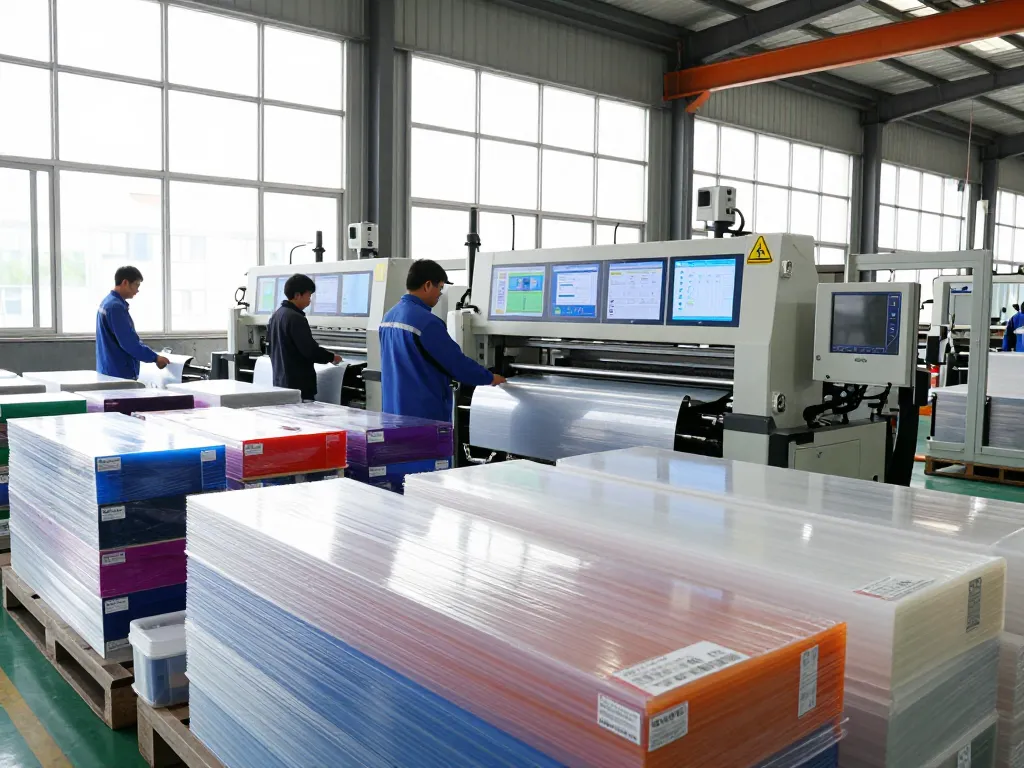
High-tech manufacturing environment showcasing MB666 polypropylene films in production.

Mastering Packaging Solutions with MB666 in 2026: Essential Insights

Understanding MB666 and Its Applications

As businesses and industries evolve, so do their packaging needs. One material that has gained significant attention in the packaging sector is MB666, a specialized film that offers unique properties and applications. Understanding MB666 is essential for businesses seeking efficient, modern packaging solutions. In this article, we will delve into the characteristics, benefits, and real-world applications of MB666, providing insights that can help companies optimize their packaging strategies. When exploring options, mb666 provides comprehensive insights into its capabilities and applications.

What is MB666?

MB666 is a biaxially oriented polypropylene (BOPP) film that has been specifically designed for various packaging applications. It comes with an acrylic coating on both sides, enhancing its clarity and gloss while providing excellent barrier properties and durability. The film’s unique structure allows it to maintain performance across a range of temperatures and environmental conditions, making it suitable for food packaging, pharmaceuticals, and other sensitive products.

The Benefits of MB666 in Packaging

Utilizing MB666 in packaging processes brings numerous benefits:

  • Clarity and Aesthetics: The high transparency of MB666 enhances product visibility, making it an appealing choice for retail packaging.
  • Durability: Its strong barrier properties ensure that products remain fresh and protected during storage and transportation.
  • Versatility: MB666 is compatible with various printing techniques, making it ideal for customized branding.
  • Cost-Effective: The film’s efficient production and performance can reduce overall packaging costs for businesses.

Common Industries Using MB666

MB666 is widely used across several industries, reflecting its adaptability and performance. Some of the most common sectors include:

  • Food and Beverage: The film helps maintain the freshness of products while providing an attractive appearance for consumers.
  • Pharmaceuticals: Its barrier properties protect sensitive medications from moisture and contaminants.
  • Consumer Goods: MB666 is ideal for packaging non-food items such as cosmetics and cleaning supplies.
  • Textiles: It can be used in packaging fabrics and garments, providing protection during shipping and display.

Performance Characteristics of MB666

Key Features of MB666 Films

MB666 films are known for their impressive performance metrics. Key features include:

  • High Clarity: Offering excellent optical properties for product visibility.
  • Heat Resistance: Capable of withstanding high temperatures during processing.
  • Moisture Barrier: Protects contents from humidity and moisture, crucial for food and pharmaceuticals.
  • Flexibility: Allows for a variety of packaging formats and styles.

Comparative Analysis with Other Packaging Films

When compared to other films, such as polyethylene or polystyrene, MB666 stands out due to its superior tensile strength and moisture barrier capabilities. While polyethylene is more cost-effective, MB666 offers a better aesthetic for high-end products and maintains integrity over time, making it a preferred choice for premium packaging applications.

Measuring Performance Metrics for MB666

To gauge the efficiency of MB666 films, several performance metrics can be considered:

  • Tensile Strength: Measures the film’s ability to withstand forces without breaking.
  • Seal Strength: Evaluates the effectiveness of seals during packaging processes.
  • Water Vapor Transmission Rate: Determines the film’s effectiveness in blocking moisture.
  • Oxygen Transmission Rate: Assesses the ability to maintain product freshness by blocking oxygen.

Best Practices for Using MB666

Installation and Handling Guidelines

To maximize the advantages of MB666, it’s crucial to follow proper installation and handling practices. Ensure that the storage environment is maintained at appropriate temperatures and humidity levels to prevent film degradation. Additionally, training staff on handling techniques can further enhance the performance and longevity of the packaging.

Optimizing Production Processes with MB666

Integrating MB666 into existing production lines requires careful planning. Regular maintenance of machinery and ensuring compatibility with existing packaging processes can improve efficiency. Customizing film thickness and coating can also optimize the film’s performance for specific products.

Common Mistakes to Avoid

While working with MB666, certain pitfalls should be avoided:

  • Using incompatible inks or adhesives that may compromise the film’s integrity.
  • Neglecting to test seal strengths and moisture barriers before full-scale production.
  • Failing to train employees on the specific handling requirements of BOPP films.

Future Trends in Packaging with MB666

Emerging Technologies and Innovations

The packaging industry is constantly evolving, and MB666 films are at the forefront of this transformation. Innovations such as biodegradable coatings and smart packaging technologies are being explored to enhance the functionality of MB666, making it more sustainable and consumer-friendly.

Market Predictions for 2026

As sustainability becomes paramount in consumer preferences, the demand for innovative packaging solutions like MB666 is expected to grow. It is projected that the market for specialized films could increase by over 15% by 2026, driven by the food and beverage sector’s pursuit of high-quality packaging.

Sustainability Trends and Impact on Packaging

With increasing pressure for environmentally responsible packaging, companies are seeking materials that not only perform but also reduce the ecological footprint. MB666’s potential for incorporating recycled materials and facilitating waste reduction aligns with these sustainability goals, positioning it as a crucial player in future packaging paradigms.

Case Studies and Real-World Applications

Successful Implementation Examples

Various companies have successfully integrated MB666 into their packaging solutions. For instance, a leading snack manufacturer reported a 20% reduction in product spoilage after switching to MB666, thanks to its superior moisture barrier properties. Such examples highlight the tangible benefits of implementing this film in diverse applications.

Feedback from Industry Leaders

Feedback from industry leaders indicates that MB666 significantly enhances operational efficiencies and product presentation. Many companies have noted that the film’s aesthetics and durability have contributed to increased consumer interest and brand loyalty.

Lessons Learned from Practical Use Cases

Learning from past implementations is crucial. Issues such as seal failures or misapplication of film thickness have been key areas where companies have refined their processes, leading to more successful outcomes with MB666. Continuous improvement based on real-world experiences ensures better performance and customer satisfaction.

What makes MB666 a preferred choice in packaging?

Its unique combination of clarity, durability, and adaptability positions MB666 as a top choice in the packaging industry. Companies are increasingly recognizing the value of investing in high-quality materials that enhance product appeal and protect their offerings.

How can businesses optimize their use of MB666?

Businesses can optimize their use of MB666 through proper training, customized production processes, and regular evaluation of performance metrics. Adhering to best practices can ensure that they harness the full potential of this versatile film.

What future developments are expected for MB666?

Future developments might include advancements in bio-based materials and improved barrier properties. As research continues, MB666 is likely to evolve to meet changing market needs and sustainability challenges.

Are there sustainability concerns with MB666 films?

While MB666 offers many advantages, sustainability concerns remain. Industry efforts are focused on enhancing recyclability and reducing the carbon footprint associated with production and disposal.

How does MB666 compare to other polymers in performance?

MB666 generally outperforms many traditional polymers in terms of clarity, tensile strength, and barrier properties, making it a superior choice for high-end packaging applications.