
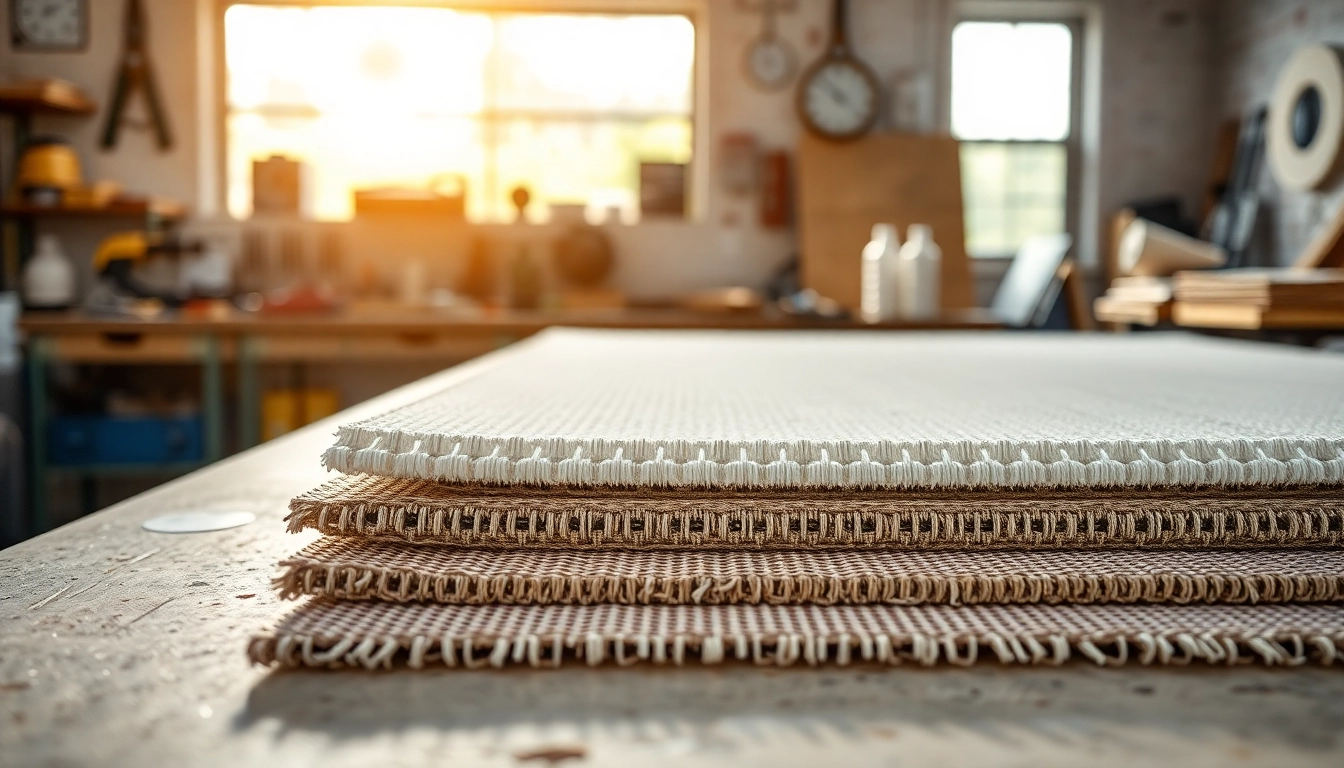
Understanding Fiberglass Mats
What are Fiberglass Mats?
Fiberglass mats are composite materials made from glass fibers that are woven or layered together to create a flexible, durable fabric. Primarily used in a variety of industrial applications, fiberglass mats offer unique properties that cater to structural needs across different sectors. Their lightweight nature, combined with resilience and thermal resistance, makes them an essential material in construction, automotive manufacturing, and a variety of other industries. The effectiveness of fiberglass mats is particularly notable due to their ability to withstand harsh environmental conditions, making them suitable for both indoor and outdoor applications.
Key Components of Fiberglass Mats
The primary components of fiberglass mats include glass fibers and resin systems. Glass fibers can be either continuous or chopped strands, contributing to the composite’s mechanical properties. Various types of resins, such as polyester, vinyl ester, and epoxy, are utilized to bond the fibers together, enhancing durability and performance. The quality of these materials directly influences the mat’s strength, flexibility, and resistance to moisture or chemicals. Fiberglass mats can also be treated with additives for enhanced fire, UV, or corrosion resistance, further improving their performance in demanding applications.
Types of Fiberglass Mats Available
There are several types of fiberglass mats, each designed for specific applications:
- Chopped Strand Mat (CSM): Known for its versatility, CSM is comprised of randomly arranged glass strands, making it ideal for use in various resin types.
- Woven Roving: These are made from woven glass fibers, offering enhanced strength and used primarily for applications where high tensile strength is needed.
- Continuous Filament Mat: This type offers superior smoothness and is typically used in applications requiring a high surface finish.
- Strand Mats: Combining continuous fibers and chopped strands, these mats give improved rigidity while maintaining flexibility.
- Surface Mats: Used to enhance the aesthetics and provide a smooth finish for visible surfaces, surface mats are often incorporated in the final layers of composite structures.
Applications of Fiberglass Mats
Construction and Building Industry
In the construction sector, fiberglass mats are integral to reinforcing various structures, including roofs, walls, and flooring systems. Their lightweight nature reduces the overall load on buildings while still offering high strength. Fiberglass mats are often used in composite panels for insulation, providing excellent thermal and sound insulating properties. Additionally, they resist moisture, thereby minimizing the risk of mold growth and other issues common in construction environments.
Automotive Sector Usage
Fiberglass mats are critical in the automotive industry, where they are utilized in manufacturing panels, hoods, and other components. The use of fiberglass in vehicle designs allows for lighter structures without sacrificing strength, leading to improved fuel efficiency. These mats can also be molded into complex shapes, making them valuable for modern automotive designs that require aerodynamics and aesthetic appeal.
Aerospace and Marine Applications
In aerospace, the lightweight and strong characteristics of fiberglass mats are essential for crafting aircraft components that meet rigorous safety and performance standards. Similarly, in marine applications, fiberglass mats provide buoyancy and resistance to seawater, making them an ideal choice for hulls and decks of boats and ships. The resilience of fiberglass mats against harsh conditions ensures long-lasting performance in both industries.
Advantages of Using Fiberglass Mats
Durability and Longevity
The durability of fiberglass mats is one of their most significant advantages. They are designed to withstand extreme conditions, including moisture, heat, and acids, making them suitable for a variety of applications. With proper installation and maintenance, fiberglass mats can provide long-term solutions, reducing the need for frequent replacements and repairs.
Lightweight and Strong Characteristics
Despite their strength, fiberglass mats are remarkably lightweight, which is a crucial factor in many industries. This characteristic allows manufacturers to design products that require less material without compromising performance. In automotive applications, reducing weight can lead to significant improvements in fuel efficiency.
Cost-Effectiveness in Projects
Using fiberglass mats can lead to considerable cost savings over time. Their longevity and low maintenance requirements mean that projects incur lower lifecycle costs. Additionally, the versatility and ease of handling fiberglass mats can reduce labor costs during installation. As projects demand higher efficiency, the use of fiberglass mats becomes a financially sound decision.
Installation Techniques for Fiberglass Mats
Surface Preparation Guidelines
Proper surface preparation is critical for the successful installation of fiberglass mats. Surfaces must be clean, dry, and free of contaminants such as dust, grease, or oils. This can be achieved through sanding, cleaning with solvents, or using specialized cleaners. Ensuring that surfaces are adequately prepared allows for better adhesion and prevents future issues related to adhesion failure.
Adhesive Application Methods
Applying the right adhesive is essential for securing fiberglass mats effectively. Depending on the application and environmental conditions, adhesives can vary in type and composition. Generally, a roller or brush can be used to apply the adhesive evenly to the surface. Following manufacturer instructions regarding the amount and application method will help ensure optimal performance.
Best Practices for Seam Sealing
Seam sealing is crucial for ensuring that the fiberglass mats function as intended. Proper sealing prevents moisture penetration, which can lead to degradation over time. It is recommended to use high-quality sealants specifically designed for fiberglass applications. When sealing seams, ensure that the edges of the mats are properly overlapped, and apply sealant generously to create a continuous barrier.
Frequently Asked Questions about Fiberglass Mats
What are the benefits of fiberglass mats?
Fiberglass mats offer durability, lightweight strength, resistance to moisture and chemicals, and long-lasting performance. Their versatile applications make them economically beneficial across various industries.
Can fiberglass mats be used outdoors?
Yes, fiberglass mats are suitable for outdoor use. They exhibit excellent resistance to UV exposure and moisture, making them an ideal choice for outdoor construction and marine applications.
How do you cut fiberglass mats?
Fiberglass mats can be cut using scissors or a utility knife. Ensure you wear protective gear to avoid skin irritation and use a straight edge as a guide for clean cuts.
Are fiberglass mats eco-friendly?
While fiberglass mats are not biodegradable, they are recyclable. Manufacturers are working on improving eco-friendly processes, and their longevity contributes positively to waste reduction.
What maintenance is required for fiberglass mats?
Fiberglass mats require minimal maintenance. Regular inspections for wear, cleaning surfaces, and applying sealants as needed will help extend their life and functionality.