
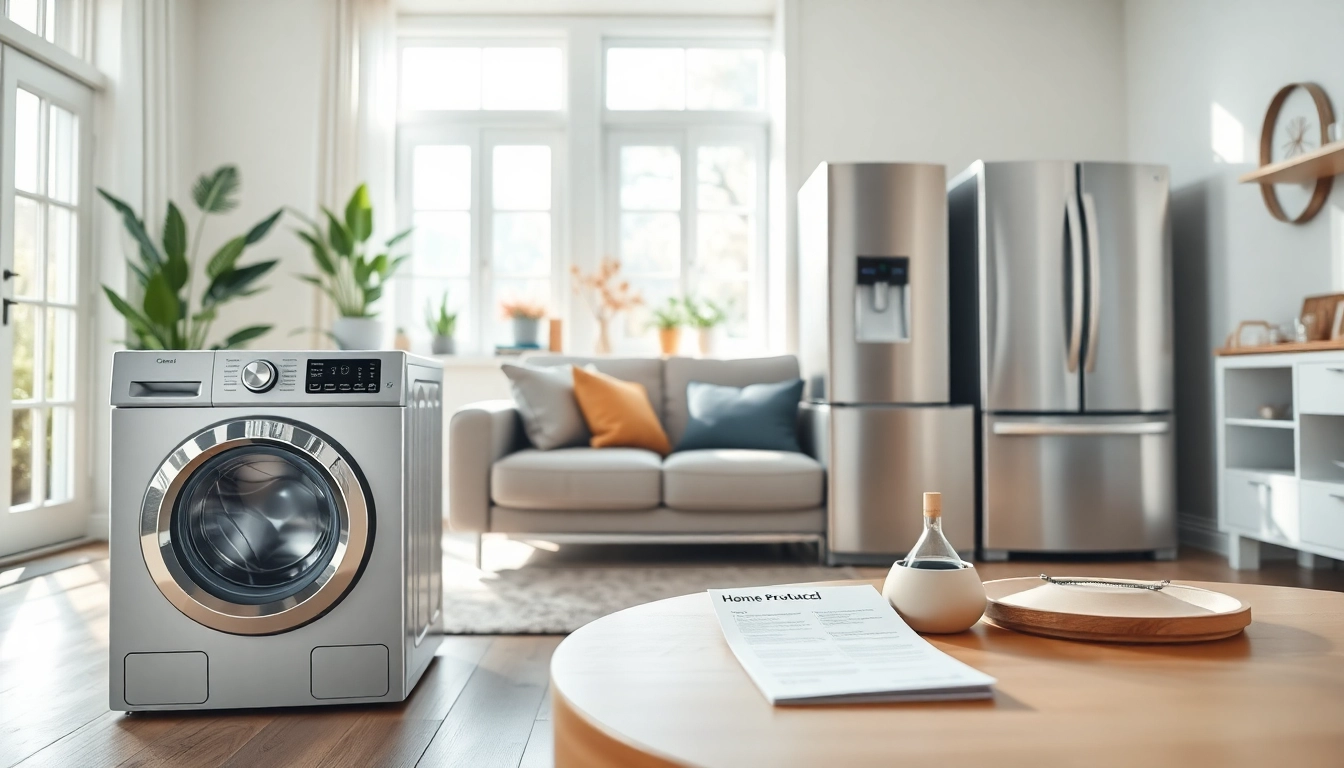
Understanding Home Systems and Appliance Protection
What is Home Systems and Appliance Protection?
Home systems and appliance protection refers to specialized service plans designed to cover the repair or replacement costs associated with significant home systems and appliances. This type of coverage can protect homeowners from unexpected financial burdens stemming from system failures or appliance breakdowns, typically covering components such as HVAC systems, plumbing, electrical wiring, and essential household appliances like refrigerators and washers. Through home systems and appliance protection, homeowners can ensure peace of mind and manage repair costs effectively.
Importance of Protecting Home Systems
Home systems are the backbone of modern living, and their failure can disrupt daily life significantly. A malfunctioning HVAC system in the depth of winter or a broken refrigerator can not only diminish comfort but can also lead to costly repairs and food spoilage. Maintaining these systems through dedicated protection plans is vital. It provides timely repairs, often at a fraction of the market cost, preventing significant financial strain on the homeowner. Additionally, regular maintenance associated with these plans can prolong the life of the systems, thereby enhancing the value of the home itself.
Common Risks Faced by Home Appliances
Home appliances are exposed to numerous risks that can lead to breakdowns, including:
- Electrical Issues: Power surges, wiring faults, and outdated electrical systems can cause appliances to fail.
- Wear and Tear: Like all mechanical systems, appliances degrade over time due to regular use, leading to malfunctions.
- Improper Installation: Incorrectly installed appliances may not operate efficiently, leading to early breakdowns.
- Lack of Maintenance: Neglecting routine care can result in significant issues that could have been easily fixed.
Understanding these risks enables homeowners to take proactive steps in safeguarding their appliances, mitigating potential stresses and expenses.
Types of Coverage for Home Systems and Appliances
Essential Components of Coverage Plans
When considering home systems and appliance protection, it’s crucial to understand the essential components typically included in these coverage plans:
- Repair and Replacement: Covers breakdowns and failures, providing either repair services or total replacement of covered items.
- Service Calls: Many plans include the cost of service calls, saving homeowners money on initial diagnostics.
- Maintenance Checks: Some plans offer regular maintenance checks that can catch potential problems early.
- Parts and Labor: Comprehensive plans may cover both parts needed for repairs and the labor costs associated.
Each coverage plan will differ in specifics, so thorough reviews of policy details are essential for homeowners.
Comparing Warranty Options
When evaluating warranty options for home systems and appliances, homeowners must compare factors such as:
- Coverage Limits: Different plans may have varying coverage limits on repairs and replacements.
- Deductibles: Understanding the deductible amounts is essential to calculate overall costs incurred during claims.
- Service Provider Networks: Some warranties require using specific service providers, which may limit options.
- Exclusions: Each plan will have exclusions; understanding these helps to avoid surprises during claims.
By carefully comparing warranty options, homeowners can select the most beneficial and cost-effective coverage for their particular needs.
Choosing Between Insurance and Extended Warranties
Deciding between home insurance and extended warranties can be complex. Home insurance typically covers damages due to unforeseen events, such as natural disasters or theft, while extended warranties focus on mechanical failures of systems and appliances due to wear and tear. Homeowners should assess their current insurance coverage, the age and condition of their appliances, and the likelihood of failures when making this choice. Consulting with a professional can also provide clarity on the benefits and limitations of each option.
Implementing Home Systems and Appliance Protection
Steps to Secure Your Home Systems
Securing home systems and appliance protection requires a few essential steps:
- Inventory Your Home: Document all major systems and appliances to understand what needs coverage.
- Research Providers: Investigate various providers to compare coverage plans, costs, and reputations.
- Read Reviews: Look into customer reviews and experiences to gauge the effectiveness of each provider.
- Evaluate Terms: Carefully review the policy terms, looking for exclusions and limits on coverage.
- Enroll in a Plan: Once a suitable plan is identified, enroll to ensure coverage is in place for any unexpected failures.
Taking these steps helps homeowners find a protection plan that fits their needs and budget, ultimately safeguarding their investments.
How to File a Claim Effectively
Filing a claim under home systems and appliance protection should be done carefully to ensure efficient processing:
- Gather Documentation: Collect all relevant documents, such as warranties, purchase receipts, and previous maintenance records.
- Contact Provider: Reach out to the provider’s claims department to initiate the claim process, either by phone or online.
- Follow Instructions: Adhere to the specific instructions provided by the claims department, as processes may vary.
- Provide Evidence: Offer any required documentation and photographic evidence of the problem if requested.
- Keep Records: Maintain records of all correspondence, ensuring you have a timeline of actions taken.
By being organized and proactive, homeowners can navigate the claims process smoothly, leading to quicker resolutions.
Maintaining Your Appliances for Longevity
Routine maintenance plays a crucial role in prolonging the lifespan of home appliances:
- Regular Cleaning: Clean appliances regularly to prevent dirt buildup that can obstruct performance.
- Follow Manufacturer Guidelines: Always adhere to manufacturer instructions for best practices in using and maintaining appliances.
- Schedule Inspections: Periodic professional inspections can help identify issues before they escalate into costly repairs.
- Monitor Usage: Be mindful of how appliances are used to avoid unnecessary strain and premature failures.
Implementing these maintenance tips not only enhances performance but also upholds warranty requirements for many protection plans.
Evaluating Your Protection Plan
Assessing the Value of Your Coverage
Evaluating a home systems and appliance protection plan should include assessing its value and relevance to current needs:
- Cost vs. Coverage: Consider the premium paid compared to the level of coverage received, ensuring it meets expectations for repair costs.
- Frequency of Use: Reflect on how often claims are filed; if claims are consistently high, reevaluation may be necessary.
- Time Frames: Assess the turnaround time for claims processing and resolution to measure provider efficiency.
- Customer Support: Evaluate the quality of customer support, as responsiveness can significantly impact claim experiences.
By taking these factors into account, homeowners can determine if their current protection plan remains advantageous and effective.
Updating Your Protection Needs Over Time
As homes and appliances evolve, so should the associated protection plans. Consider these aspects for timely updates:
- New Purchases: Any new home systems or major appliances should be added to existing protection plans to ensure full coverage.
- Age of Appliances: As appliances age, updating coverage to reflect value and condition may save on unnecessary premium costs.
- Home Improvements: Renovations can impact existing systems; ensure plans account for new installations.
- Policy Changes: Stay informed about changes in policy details that may affect coverage benefits or limits.
Regularly reviewing protection needs will help homeowners adapt their plans to current realities, promoting sustained security and cost-effectiveness.
Common Mistakes to Avoid
In navigating home systems and appliance protection plans, avoiding common mistakes can yield better outcomes:
- Neglecting to Read the Fine Print: Overlooking policy details can lead to misunderstandings about coverage limits and exclusions.
- Assuming All Plans are the Same: Different providers have various coverage levels; thorough comparisons are necessary.
- Failing to Maintain Appliances: Lack of proper maintenance can void coverage, negating the benefits of a protection plan.
- Ignoring Exclusions: Not understanding what is excluded from coverage can lead to disappointment when claims arise.
By remaining vigilant and informed about these pitfalls, homeowners can achieve a more effective and satisfying protection experience.
Frequently Asked Questions
What does home systems and appliance protection cover?
Home systems and appliance protection typically covers repairs or replacements of major home systems, such as HVAC, plumbing, and electrical systems, plus kitchen and laundry appliances.
How do I file a claim?
To file a claim, contact your provider directly, provide necessary documentation such as invoices and photos, and follow their claim process to initiate coverage.
Are there exclusions in coverage plans?
Yes, many plans have exclusions concerning pre-existing conditions, lack of maintenance, and cosmetic damages. Always review your plan details.
How can I maintain my appliances?
Regularly clean and inspect your appliances, follow manufacturer guidelines for care, and schedule service checks to ensure they remain in good working order.
Is home systems and appliance protection worth it?
For many homeowners, the financial security and peace of mind provided by home systems and appliance protection outweigh the costs, especially for older systems and appliances.